
Oakes' evening primrose
Oenothera oakesiana
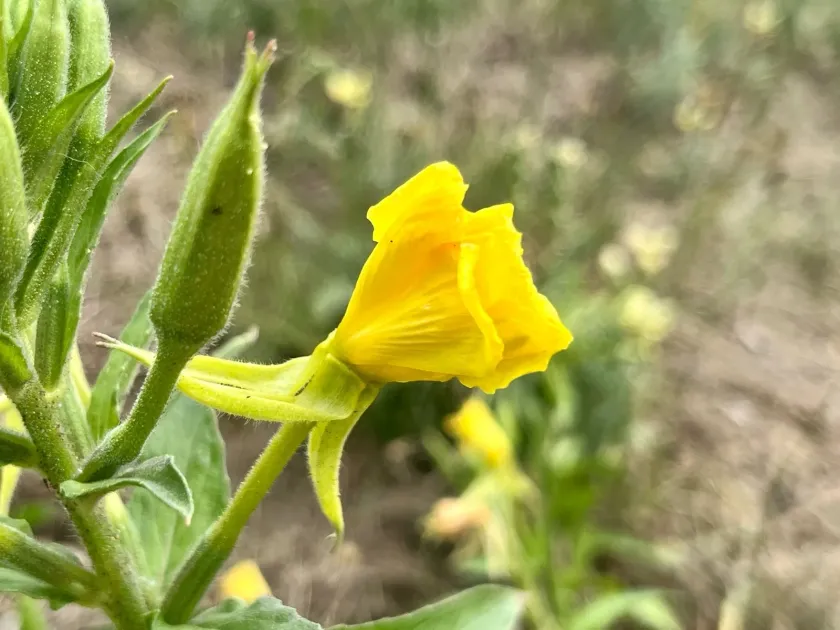
Description
Sowing dates
Oenothera oakesiana is typically a biennial herb, and its sowing schedule depends on the agricultural cycle intended for the region. The optimal time for planting is either in late autumn or early spring, allowing the seeds to undergo natural stratification, which enhances germination energy.
When sown in late autumn, the seeds establish themselves in the soil and are ready to emerge as soon as the soil temperatures begin to rise in the spring. Spring sowing requires seeds to be lightly covered with soil, as they are very small and have low energy for deep emergence.
The planting depth should be kept strictly between 0.5 and 1 cm. Proper compaction of the soil immediately after sowing is essential to ensure that the small seeds maintain contact with the damp substrate, preventing desiccation during the initial germination phase.
The recommended planting density varies between 200,000 and 300,000 plants per hectare. Achieving this density is crucial for ensuring that the plant develops a robust rosette in the first year and a productive flower stalk in the second year.
Weed management must be prioritized before sowing. Since Oakes' evening primrose develops relatively slowly during its seedling stage, the presence of fast-growing weeds can severely stunt the crop and drastically reduce the final seed harvest.
Growing requirements
Belonging to the Onagraceae family, Oenothera oakesiana exhibits significant ecological plasticity. It thrives in well-lit environments, as high levels of solar radiation are necessary for the development of oil-rich seeds within the fruit capsules.
The crop prefers light, well-drained soils, such as sandy loams. Heavy or waterlogged soils are detrimental to the root system, often leading to rot and high mortality rates among the plants during the dormant winter period.
The species is remarkably drought-tolerant, making it suitable for cultivation in areas with lower soil fertility where traditional oil crops might struggle to survive. However, supplemental irrigation during dry periods can significantly increase biomass and seed yield.
A soil pH range of 6.0 to 7.5 is ideal for achieving optimal nutrient uptake. Soils that are too acidic can lead to nutrient deficiencies, while highly alkaline soils can inhibit root expansion and overall vitality of the primrose plants.
Fertilization should be balanced, with a focus on phosphorus and potassium to strengthen the plants before winter. Excessive nitrogen should be avoided, as it encourages excessive vegetative growth, which can delay flowering and increase the risk of lodging.
Main diseases and pests
The main threat to Oakes' evening primrose comes from fungal diseases, particularly powdery mildew, which spreads rapidly in dense, poorly ventilated stands during humid summer months. Proper spacing is the best preventive measure against this.
Aphids are a significant concern, often attacking the tender buds and young leaves. Their feeding activities not only weaken the plant but also serve as vectors for various plant viruses, which can lead to significant yield losses if not managed.
Root rot occurs in fields with poor drainage or over-irrigation. Ensuring that the soil is light and well-drained is the primary defense strategy. Farmers should avoid planting evening primrose in fields with a history of persistent water accumulation.
Leaf-eating insects can cause damage during the plant's first year of growth. Regular field monitoring is essential during the rosette phase to ensure that pests do not reach threshold levels that require chemical intervention.
Weeds compete directly for nutrients and moisture. Mechanical weeding between the rows is preferred over chemical control, as young Oenothera plants are highly sensitive to many commercial herbicide formulations used in larger agriculture.
Harvesting
Harvesting Oenothera oakesiana is challenging because the seeds in the capsules ripen unevenly. The harvest should commence when the majority of the capsules turn brown, indicating that the seeds have reached physiological maturity.
A two-stage harvesting process is highly recommended: mowing the plants and letting them cure in windrows for a few days. This allows the remaining immature seeds to reach maturity while the moisture content of the entire crop stabilizes.
Timely harvesting is critical; delaying the process by even a few days can lead to significant seed loss due to the natural dehiscence (shattering) of the capsules. Monitoring the moisture content is essential to keep it below 14%.
Post-harvest processing involves immediate cleaning and drying of the seeds. Forced-air drying at low temperatures is necessary to prevent spoilage and maintain the chemical integrity of the oil contained within the seeds.
Storage should be conducted in cool, dry, and ventilated conditions. Protecting the seeds from high temperatures is vital to prevent the oxidation of essential fatty acids, ensuring the product retains its commercial and nutritional value for at least one year.