
Oenothera latipetala
Oenothera latipetala
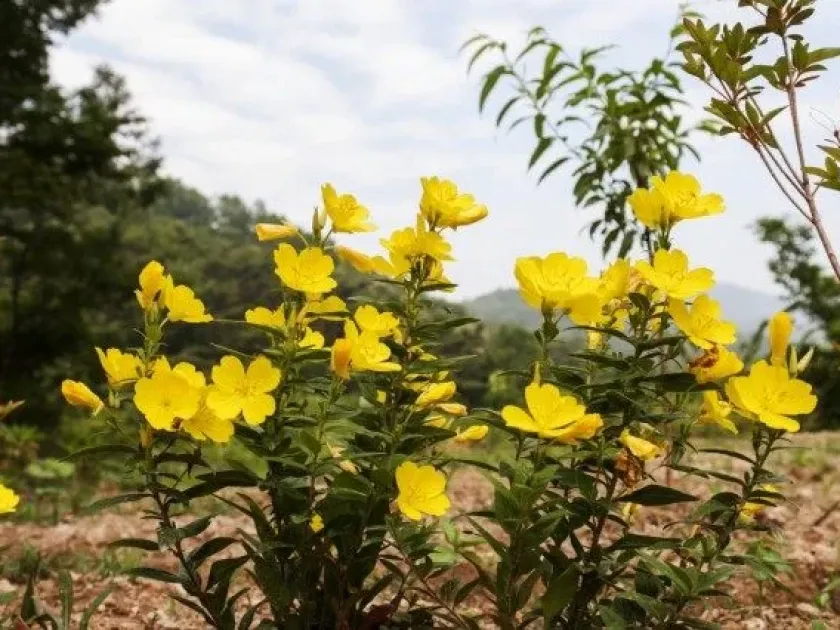
Description
Sowing dates
The sowing of Oenothera latipetala is typically carried out in early spring as soon as the soil warms up to 8–10 degrees Celsius. Late autumn sowing is also a viable option, as it facilitates natural stratification of the seeds during the winter period.
Due to their small size, it is recommended to mix the seeds with sand in a 1:5 ratio to ensure even distribution across the field. The planting depth should not exceed 0.5–1 cm, as these seeds require exposure to light for optimal germination.
The standard planting pattern involves row spacing of 45–60 cm, providing sufficient space for each plant rosette. For large-scale industrial farming, precision seed drills are used to reduce manual labor and ensure accurate seeding rates.
Seedlings usually emerge within two to three weeks after planting, provided there is adequate soil moisture. During the first year of growth, the plant focuses on developing a root rosette, making early weed control essential for healthy development.
Targeting a planting density of 100,000 to 150,000 plants per hectare is ideal for balancing high yields with the logistical requirements of mechanized farming equipment.
Growing requirements
Oenothera latipetala thrives in sunny locations and requires full exposure to light to maximize oil accumulation in its seeds. Shaded areas significantly inhibit the plant's metabolic processes and reduce total harvest quality.
The crop prefers well-drained, light sandy or loamy soils. It is critical to avoid waterlogged conditions, as the root system is highly sensitive to excessive moisture and prone to rapid decay in poorly drained soils.
The ideal soil pH for this culture ranges from 6.0 to 7.5. In fields with higher acidity, pre-planting liming is necessary to improve nutrient uptake and ensure the vigorous development of the plant.
While the plant is known for its drought resistance due to its deep taproot system, supplemental irrigation during the flowering and seed-setting stages is highly recommended to achieve maximum potential yields.
Winter hardiness is moderate for this species; in regions with severe winters and little snow cover, additional protective measures or selecting sheltered sites can help prevent cold-related damage to the root system.
Yield
The yield of Oenothera latipetala is directly influenced by soil fertility and adherence to proper cultivation practices. Under optimal conditions, producers can expect a yield of approximately 0.8 to 1.5 tons of dry seeds per hectare.
Flowering occurs in the second year, with the emergence of tall flower spikes. Because the plant blooms over an extended period, seeds ripen unevenly, necessitating careful monitoring to determine the best time for harvesting.
To maximize fatty acid content, providing balanced micro-nutrients such as boron and zinc is crucial. Proper fertilization strategies can increase oil content significantly, adding value to the harvested raw material.
As an entomophilous plant, the presence of pollinators is vital for fertilization. Placing beehives near the fields during the flowering period can lead to higher seed set and a more uniform yield across the entire acreage.
Successful management of the harvest timeline is essential. Harvesting too early results in immature seeds, while waiting too long increases the risk of losses due to natural seed shattering from the pods.
Main diseases and pests
Powdery mildew is the most common disease for this crop, especially during hot and humid spells. Early detection and application of fungicides before the peak flowering stage are effective management strategies.
Pests such as flea beetles can pose a threat to young seedlings. Regular field scouting is necessary to identify pest activity early and allow for targeted insecticidal intervention if the damage threshold is exceeded.
Root rot is often a consequence of poor drainage or over-irrigation. Proper soil preparation and maintaining the correct irrigation schedule are the primary preventive measures against fungal infections of the roots.
Leaf-eating pests like moth larvae can occasionally damage the foliage, reducing the plant's overall vigor. Integrated pest management, which includes encouraging natural predators, is preferred over chemical control.
A strict crop rotation schedule is the most effective way to prevent the buildup of soil-borne pathogens. Re-planting Oenothera on the same plot should be avoided for at least four years to ensure crop health.
Harvesting
Harvesting Oenothera latipetala requires significant skill and attention to detail. Both direct combining and two-phase harvesting methods are used, depending on the equipment availability and local environmental conditions.
The ideal harvest time is when 70–80 percent of the seed pods have turned brown. At this stage, the seeds are fully developed and ready to be threshed, provided they are handled with care to prevent shattering.
Immediate drying is required post-harvest to reduce seed moisture to 9–10 percent. Controlled drying prevents the heating and degradation of the delicate oils within the seeds, which is essential for pharmaceutical quality.
Stored seeds must be kept in a cool, dry, and well-ventilated environment. Using moisture-permeable containers helps maintain seed viability and prevents mold formation during the storage period.
Proper harvest and post-harvest handling are critical for preserving the biological activity of the oil, ensuring the final product meets the standards required for human consumption or medicinal use.