
Oenothera kunthiana
Oenothera kunthiana
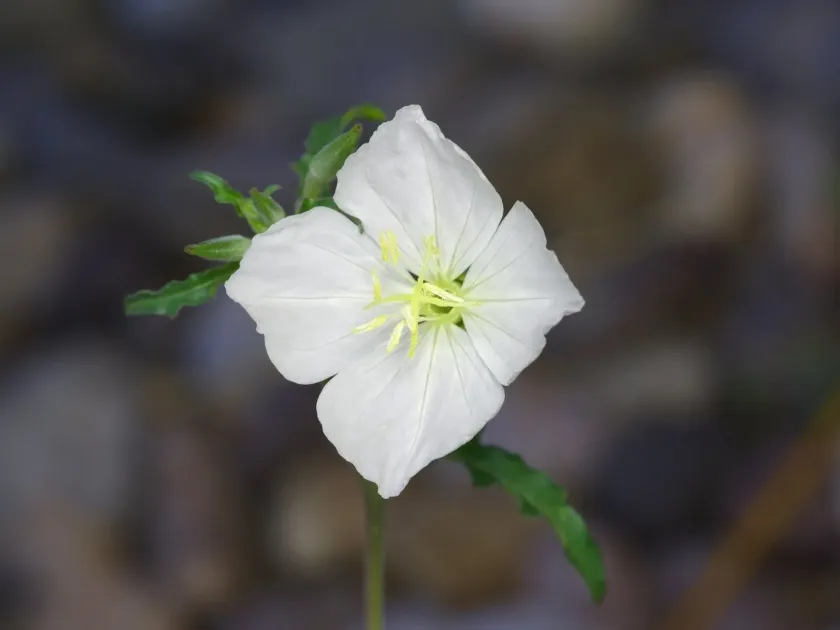
Description
Sowing dates
Oenothera kunthiana is a member of the Onagraceae family. It is a perennial herb that is often treated as an annual in cooler climates. For optimal results, seeds should be sown in early spring, specifically during April or May, once the soil has sufficiently warmed up.
Starting seeds indoors in late winter, around March, is a common practice to accelerate the growing season. Use a light, well-draining potting medium and maintain a temperature of about 20 degrees Celsius to ensure steady germination.
Seeds are small and require surface sowing, as they need exposure to light to break dormancy. Space the plants approximately 25 to 30 centimeters apart to allow for adequate airflow and plant development.
Germination typically occurs within two to three weeks under consistent moisture levels. Keep the soil surface damp but not waterlogged during the critical early stages of sprout emergence.
The plant exhibits vigorous growth once established, making it a reliable choice for gardeners who prefer low-maintenance, high-impact floral displays in their landscapes.
Growing requirements
This species thrives in sunny locations. Exposure to direct sunlight is crucial for the development of strong, compact stems and an abundance of flowers. Shaded areas should be avoided to prevent leggy growth.
The plant is highly drought-tolerant, which makes it an excellent choice for xeriscaping or areas with limited water access. However, supplemental irrigation during prolonged hot spells will significantly enhance floral performance.
Well-drained soil, preferably sandy or loamy in texture, is ideal for Oenothera kunthiana. It adapts well to various pH levels, but it performs best in neutral to slightly acidic soil environments.
Good soil aeration is important for root health. Regular weeding and surface cultivation between plants help to prevent soil crusting and improve overall soil health throughout the growing season.
Occasional fertilization with a balanced, slow-release fertilizer can support the plant's nutritional needs, though excessive nitrogen should be avoided to prevent over-development of foliage at the expense of blooms.
Yield
The primary value of Oenothera kunthiana lies in its prolonged and ornamental flowering season. It provides a constant supply of blooms from early summer through autumn, making it highly attractive for landscaping.
Due to its dense growth habit and long-lasting flowers, it is frequently utilized in flower beds, border plantings, and rock gardens. It effectively creates a visual carpet effect in various public and private spaces.
The plant serves as a beneficial pollinator attractant, drawing bees and other insects to the garden. This ecological contribution enhances biodiversity and supports the health of neighboring entomophilous crops.
For those interested in seed harvesting, collect the dried seed pods in late summer before they shatter. Proper timing ensures that the seed bank is replenished without allowing for unwanted self-seeding.
Biological yield, in terms of flower density, is positively correlated with high light intensity. Optimal sun exposure ensures that the plants reach their maximum aesthetic potential during the blooming phase.
Main diseases and pests
The plant is generally robust, but it can be susceptible to fungal diseases such as powdery mildew, especially if planted in areas with poor air circulation or excessive humidity levels.
Mitigation strategies include planting at correct intervals to maximize airflow and ensuring that the planting site has excellent drainage. Removal of symptomatic tissues is necessary if an infection is detected.
Common insect pests include aphids and spider mites, which can sap plant vitality. These pests are particularly problematic during dry, hot periods when the plant may be slightly stressed.
Integrated pest management, including the use of botanical insecticides or insecticidal soaps, is effective in managing pest populations without causing undue harm to beneficial garden insects.
Regular scouting of the plants throughout the growing season allows for early detection of potential threats, ensuring that corrective measures are taken before the plant health is severely compromised.