
Oenothera hybrids
Oenothera hybrids
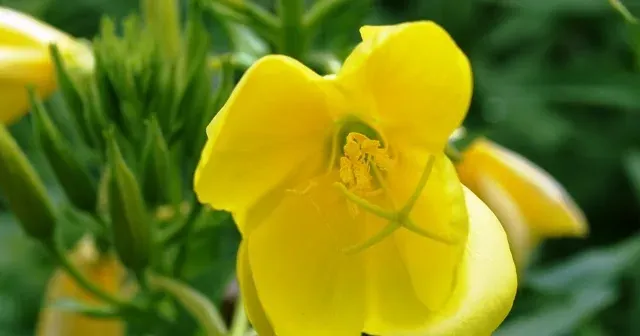
Description
Sowing dates
Sowing of Oenothera hybrids is typically conducted in spring, ensuring the soil temperature is suitable for germination, usually above 10 degrees Celsius.
For large-scale cultivation, seeds are sown directly into prepared, well-drained seedbeds, spacing rows to facilitate future mechanical maintenance.
If utilizing greenhouse propagation, sowing should start in late winter to prepare vigorous seedlings for transplantation into the open field after the last frosts.
The seeds are small and should be covered only by a very thin layer of substrate or pressed gently into the soil surface to ensure optimal light exposure for germination.
Maintaining consistent soil moisture levels during the first weeks after sowing is critical, as surface-level moisture fluctuations can negatively impact seedling survival rates.
Growing requirements
The Oenothera hybrids belongs to the Onagraceae family, a group of plants well-known for their adaptability and striking flowering periods.
Successful cultivation requires full sun exposure, which ensures the plants remain sturdy and bloom continuously throughout the growing season.
Soil composition should ideally be light, sandy, or loamy, providing excellent drainage to prevent root rot, which is a major physiological threat to this species.
While the plant is relatively drought-tolerant, supplemental irrigation during peak summer growth phases can significantly improve the overall yield and flower density.
The plant demonstrates high hardiness across various temperate zones, showing strong resilience against both extreme seasonal temperatures and poor soil nutrient conditions.
Main diseases and pests
Fungal diseases such as powdery mildew are the most common threats to Oenothera hybrids, often exacerbated by high humidity and poor air circulation.
Root system health is frequently compromised by waterlogging, which creates anaerobic conditions that favor the development of harmful soil-borne pathogens.
Common pests include aphids and spider mites, which congregate on the undersides of leaves, sucking sap and causing chlorosis or stunted development of the blooms.
Integrated pest management strategies are recommended, utilizing both cultural practices and periodic applications of environmentally safe miticides and insecticides.
Good agricultural practice requires removing infected plant tissue immediately upon detection to prevent the spread of localized disease outbreaks throughout the plantation.
Harvesting
The harvesting process for Oenothera hybrids focuses on seed collection, which involves monitoring the seed pods as they transition from green to dark brown.
Seed pods should be harvested before they split open naturally, which helps in maximizing yield and ensuring the uniformity of the harvested seed lot.
Once collected, pods are threshed and the seeds are cleaned using specialized machinery to remove chaff and other organic debris for high-quality storage.
Properly dried seeds are packed into breathable storage containers kept in cool, dark environments to preserve their viability for subsequent planting seasons.
In ornamental use, harvesting stems for floriculture involves cutting the stalks while buds are still tight, ensuring extended vase life and maximum aesthetic appeal for customers.