
Oenothera glazioviana
Oenothera glazioviana
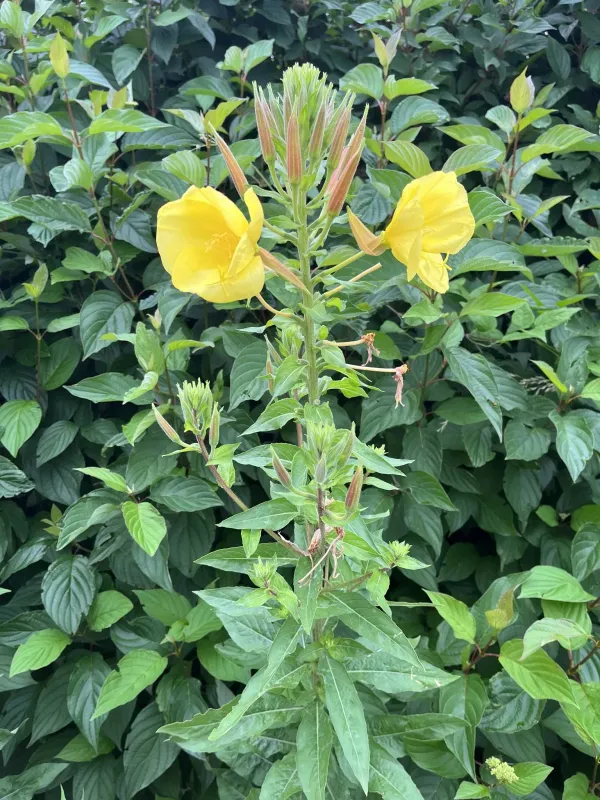
Description
Sowing dates
Oenothera glazioviana, commonly known as the large-flowered evening primrose, is a biennial herbaceous plant belonging to the Onagraceae family. For optimal seed yield, sowing should be conducted in spring or late autumn when soil temperatures reach 10-12 degrees Celsius.
The seeds are extremely small, requiring shallow sowing at a depth of no more than 0.5–1 cm, as they need light to germinate successfully. Planting is typically done in rows with a spacing of 30–45 cm to allow for weed management.
In its first year of growth, the plant focuses on developing a robust basal rosette of leaves, storing nutrients for the second season. The main stem and inflorescences emerge in the second year, which must be considered in the crop rotation plan.
The seeding rate is usually between 2 and 4 kilograms per hectare, depending on the germination percentage and purity of the seed lot. Maintaining appropriate plant density is crucial for high-quality seed production.
The crop is adaptable to various climates but thrives in sunny locations sheltered from strong winds, which can damage the tall floral stalks during the peak of the blooming season.
Growing requirements
This crop has moderate soil fertility requirements, performing best in well-drained, sandy loam or loamy soils with a neutral pH level. Proper drainage is essential to prevent root zone saturation.
Oenothera glazioviana is known for its drought tolerance due to a deep taproot system, which allows it to access moisture from lower soil layers during dry spells.
For high accumulation of gamma-linolenic acid (GLA) in the seeds, the plants require maximum sunlight exposure, as shading results in lodging and significantly reduces the total oil content.
The application of mineral fertilizers, particularly those rich in phosphorus and potassium, enhances plant vigor and improves the overall quality of the harvested seeds.
Weed control is critical during the first year of the biennial cycle, as the young rosettes are poor competitors and can easily be suppressed by faster-growing weed species.
Yield
The primary economic value of Oenothera glazioviana lies in its oil-rich seeds, which are a major source of gamma-linolenic acid (GLA), an essential fatty acid used globally.
The oil is highly sought after by the pharmaceutical, nutraceutical, and cosmetic industries, making this plant an economically viable niche crop for specialized agricultural producers.
Average yields typically range from 5 to 10 quintals per hectare, depending heavily on the specific management practices, weather conditions, and the efficiency of the harvesting process.
Quality is measured not just by the weight of the harvest, but by the concentration of active ingredients, which is maintained through precise post-harvest handling and storage techniques.
Beyond oil production, secondary utilization of the biomass for herbal extracts and dietary supplements is a growing trend, adding further value to the total crop output.
Main diseases and pests
The most common pests affecting this crop include aphids and various leaf-chewing insects that target the basal rosettes during the initial growth phase of the plant.
In excessively damp conditions, root rot and other fungal diseases can occur. Selecting fields with excellent natural drainage is the most effective preventative strategy against these pathogens.
Fungal issues such as powdery mildew may develop during periods of high humidity or poor ventilation, emphasizing the importance of proper row spacing and field sanitation.
Regular monitoring of the field, especially during evening hours, helps in the early detection of pest populations, allowing for targeted interventions before widespread damage occurs.
Implementing a diverse crop rotation system is highly recommended to prevent the buildup of soil-borne pathogens and to maintain soil health without relying on excessive pesticide use.
Harvesting
Harvesting Oenothera glazioviana is a precise task because the seed pods on each plant mature unevenly over several weeks, leading to a risk of premature shattering.
Farmers must be vigilant to catch the pods just as they turn from green to brown; failing to time the harvest correctly can result in significant seed loss in the field.
The standard practice is to cut the plants when they reach physiological maturity and allow them to dry slightly before threshing with a specialized harvester or stationary thresher.
Once harvested, the seeds must be immediately dried to a moisture content of 8-10% to prevent the oxidation of essential fatty acids and to ensure long-term stability of the oil content.
Proper storage in cool, dark, and well-ventilated conditions is essential to maintain the high quality of the seeds until they are processed for oil extraction.