
Oenothera cambrica
Oenothera cambrica
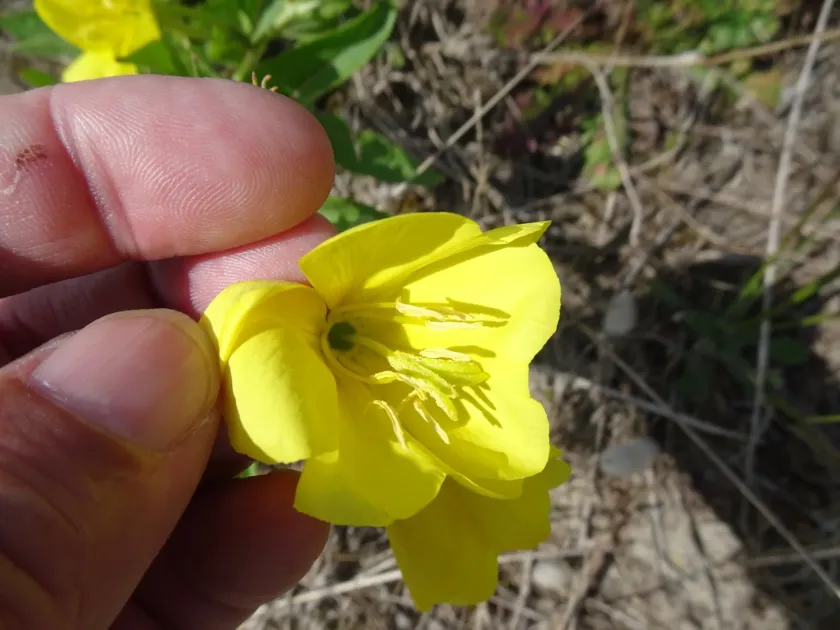
Description
Sowing dates
Oenothera cambrica belongs to the Onagraceae family and is typically managed as a biennial crop. The ideal sowing time is either late autumn or early spring, as soon as soil temperatures reach approximately 5-8 degrees Celsius.
The seeds are very small and require light for germination, meaning they should be sown shallowly, usually at a depth of 0.5 to 1 cm. Proper seedbed preparation is crucial to ensure good contact between the seed and the soil surface.
During the first year, the plant focuses on developing a robust basal rosette. Maintaining an appropriate distance between rows, typically 45-60 cm, allows for proper plant establishment and reduces competition for light and nutrients.
Weed management is vital during the early stages of growth, as the young seedlings are slow to establish and can easily be overtaken by more aggressive weed species in the field.
Seed density should be carefully calculated to achieve an optimal plant population. Excessive density can lead to lower seed quality in the second year, while too low density may lead to underutilization of the field area.
Growing requirements
This crop thrives in well-drained, sandy or light loamy soils. It is highly sensitive to waterlogged conditions, which can lead to root rot and significant crop loss, especially during the overwintering phase.
Oenothera cambrica is known for its remarkable drought tolerance once established, thanks to its deep taproot system. However, adequate moisture during the flowering and seed-setting stage is required for optimal yields.
Full sun exposure is a mandatory requirement for this plant. Any shade will significantly reduce the flowering intensity and the oil content in the seeds, directly impacting the economic value of the harvest.
The soil pH should ideally range between 6.0 and 7.5. The plant does not perform well in heavy, clay-rich soils that are prone to compaction, as these prevent the taproot from penetrating deep into the soil profile.
Fertilization should be moderate, with an emphasis on potassium and phosphorus to support healthy root development and robust seed production, while avoiding excessive nitrogen which promotes leafy growth at the expense of seeds.
Main diseases and pests
Aphids and various bug species pose the most significant threat to the crop, as they feed on buds and developing flowers, often leading to stunted seed capsules and lower yields.
Powdery mildew is a common fungal threat, particularly in dense stands with high humidity or poor air circulation. Proper spacing between rows is the best preventative measure against this disease.
Root rot caused by poor soil drainage can result in total plant failure. Avoiding heavy or saturated soil types during field selection is the most effective way to prevent these root-related issues.
Good agricultural practices, such as crop rotation and the removal of host weeds, serve as the primary defense against the spread of both pests and viral diseases that insects might transmit.
Biological controls or integrated pest management strategies are preferred over heavy chemical usage, as the oil-bearing seeds are often destined for health-conscious markets with strict residue regulations.
Harvesting
The harvest occurs in the second year when the seed capsules turn brown and reach maturity. Timing is essential, as the capsules can shatter and release seeds if harvesting is delayed.
Multi-stage harvesting or specialized equipment with pick-up mechanisms is recommended to minimize seed losses. Given the uneven ripening of the capsules, farmers must monitor the field closely to pick the ideal window.
Post-harvest, the seeds must be thoroughly cleaned to remove plant debris and dried in well-ventilated conditions. Moisture levels must be reduced to below 10% to ensure safe long-term storage.
The oil extracted from the seeds is the primary economic driver of this crop, so protecting the seeds from moisture and fungal contamination during the post-harvest process is critical to maintaining high quality.
Effective seed management involves careful drying temperatures, as heat stress can alter the fatty acid profile of the oil, reducing its market value in the pharmaceutical and cosmetic industries.