
Oenothera atrovirens
Oenothera atrovirens
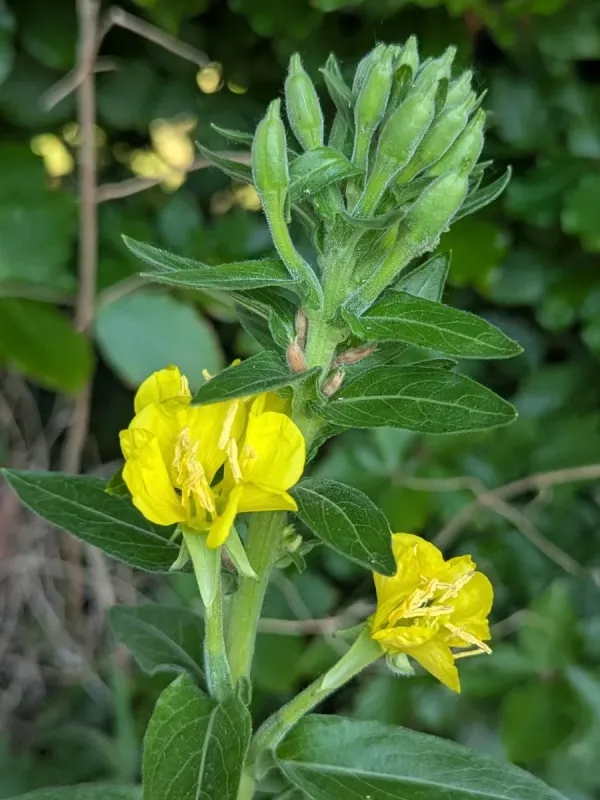
Description
Sowing dates
Sowing of Oenothera atrovirens is typically performed in early spring once soil temperatures reach 8-10 degrees Celsius to ensure uniform germination.
Late autumn sowing is also a viable option in temperate climates, allowing seeds to undergo natural stratification and emerge early in the following spring.
Seeds should be planted at a shallow depth of approximately 1-1.5 centimeters, as they require sufficient contact with light and moisture to initiate the growth process.
A row spacing of 45 to 60 centimeters is recommended to allow for mechanical weeding and proper air circulation throughout the crop canopy.
The seeding rate varies based on seed viability but generally ranges between 2 to 4 kilograms per hectare to maintain optimal plant density.
Growing requirements
This crop, belonging to the Onagraceae family, thrives in open, sunny locations with minimal shading from surrounding vegetation or buildings.
Oenothera atrovirens prefers well-drained, sandy loam or loamy soil types with a neutral to slightly acidic pH, ensuring root health and vigor.
The plant demonstrates significant drought tolerance once established, although consistent soil moisture is beneficial during the flowering and seed-set stages.
Optimal growth occurs at temperatures between 18 and 25 degrees Celsius, and the plant shows good resilience to varying weather patterns common in its native range.
Waterlogged soil must be avoided at all costs, as poor drainage often leads to root rot pathogens that can decimate the entire plantation.
Yield
Crop productivity is highly sensitive to management practices, particularly weed control and the management of soil nutrient levels during the vegetative phase.
Under favorable growing conditions and proper agricultural management, farmers can expect a seed yield of approximately 0.8 to 1.2 tonnes per hectare.
The main economic value is derived from the oil extracted from the seeds, which is highly valued for its concentration of gamma-linolenic acid.
The peak harvest period usually occurs in late summer, requiring close observation of seed pod development to capture the yield at the right maturity level.
Maintaining a plant density of 150,000 to 200,000 plants per hectare is key to maximizing yield while preventing excessive competition between individual plants.
Main diseases and pests
Leaf-eating caterpillars pose a significant threat to young plants, potentially causing substantial foliage loss if left untreated during the spring.
Powdery mildew represents a common fungal threat, especially in humid microclimates where poor ventilation facilitates the spread of spores.
Root rot, driven by stagnant water and excessive moisture, remains the most difficult condition to manage once an infection has taken hold in the soil.
Aphids may infest flowering stems, leading to weakened reproductive structures and lower total seed production per plant if they are not controlled.
- Monitor crops weekly for early signs of disease.
- Implement effective weed suppression strategies.
- Maintain proper field rotation to minimize soil-borne pathogens.
Harvesting
Harvesting should be conducted when approximately 75-80% of the seed pods have reached maturity, balancing the yield against the risk of natural seed shedding.
A two-stage harvesting approach, involving cutting and windrowing, is often used to allow the plant material to dry and mature evenly before threshing.
Mechanical threshing must be performed with careful calibration of the combine or stationary thresher to prevent damage to the delicate seed coat.
Post-harvest cleaning processes are essential to remove chaff, debris, and dust, ensuring the purity of the seed lot for oil extraction or sale.
Final seed moisture content should be reduced to 10% or less to prevent spoilage and maintain the stability of the essential oils during storage.