
Oenothera ammophila
Oenothera ammophila
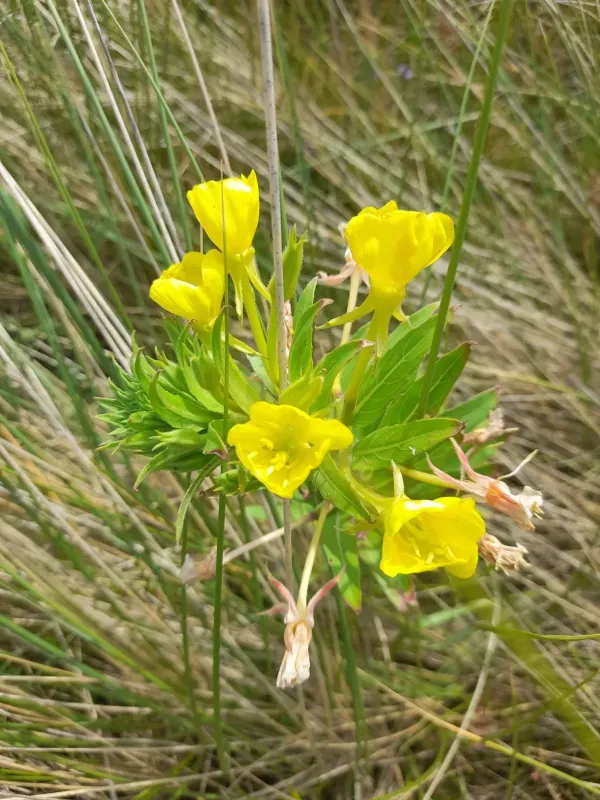
Description
Sowing dates
The optimal sowing time for Oenothera ammophila is in late autumn or early spring. Seeds require a period of cold stratification to break dormancy. When sowing, it is essential to ensure the seeds are barely covered by a thin layer of sand, as light exposure is a critical trigger for germination in this wild species.
Growing requirements
The plant requires full sun exposure and extremely well-drained soil. It thrives in soils with low fertility, where competition from more aggressive weeds is naturally suppressed. Moisture requirements are minimal once the plant is established, as its deep roots efficiently scavenge available subterranean water.
In addition to its role in phytoremediation, the plant is valued for its potential in creating biodiversity corridors. By stabilizing sand dunes and providing late-season nectar, it supports local pollinator populations, which contributes to the overall health of the adjacent agro-ecosystems and field margins.
Main diseases and pests
Pathological risks primarily include fungal infections induced by excessive soil moisture and poor airflow. Typical pests include various species of Lepidoptera larvae that feed on the foliage. Maintaining dry, well-ventilated conditions is the most effective cultural practice for preventing these threats without the need for chemical intervention.