
White-stemmed evening primrose
Oenothera albicaulis
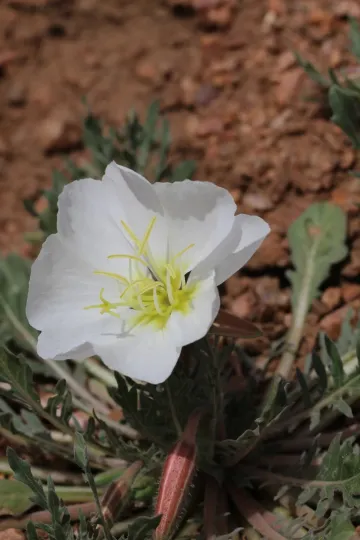
Description
Sowing dates
Oenothera albicaulis is primarily propagated through seeds sown in early spring once the soil temperature consistently reaches 10–12°C. High-quality, viable seeds are essential for establishing a uniform and healthy plant stand.
The seeds should be sown at a shallow depth of 1–2 centimeters, as they require light to stimulate optimal germination. Ensuring good soil-to-seed contact through rolling after planting can significantly improve emergence rates.
Standard row spacing of 45 to 60 centimeters is recommended for field cultivation. This spacing facilitates necessary mechanical weeding and provides sufficient airflow to prevent moisture-related issues.
Seedlings typically emerge within 10–14 days. During this critical establishment phase, the soil must be kept moderately moist, but never waterlogged, to support the developing taproot system.
In regions with favorable climates, natural reseeding can be utilized for continuous production, though intentional annual seeding ensures higher yield uniformity and easier field management.
Growing requirements
Belonging to the Onagraceae family, this species is highly drought-tolerant, naturally adapted to the arid and semi-arid conditions of North America. It thrives best in well-drained, sandy, or gravelly soils.
The plant is an obligate heliophyte, meaning it requires full sun exposure to flourish. Shaded conditions often result in weak, leggy stems and a significant reduction in oil content within the seeds.
Excellent soil drainage is the most vital requirement. The species is highly susceptible to root rot and other fungal diseases if grown in heavy clay soils or areas prone to water stagnation.
It prefers a temperate climate with distinctive seasonal changes but can withstand significant temperature fluctuations. It remains relatively dormant during extreme heat and exhibits resilience against late spring frosts.
Fertilization should be handled with care. While organic matter improves soil structure, excessive nitrogen levels should be avoided to prevent over-vegetation, which can attract pests and weaken the plant's structural integrity.
Main diseases and pests
Root rot caused by Phytophthora or Pythium species is a major threat in fields with inadequate drainage. Monitoring irrigation and ensuring soil aeration are the best preventative measures for commercial growers.
Powdery mildew often appears during hot, humid spells with poor air circulation. Proper row spacing and the removal of infected debris are essential cultural practices to mitigate the spread of this disease.
Aphids represent the most common insect pest, typically targeting young buds and tender foliage. They should be managed early in the season to prevent stunted growth and floral damage.
Various lepidopteran larvae may feed on the leaves. Integrated pest management strategies, such as attracting beneficial insects or using bio-rational pesticides, are preferred to maintain the medicinal quality of the crop.
Weed competition is the primary cause of yield loss in the early growth stages. Frequent mechanical cultivation or organic mulching is recommended until the crop foliage becomes dense enough to shade out weeds.
Harvesting
Harvesting should be timed when the seed pods transition from a green to a light brown color. The pods are prone to shattering, so prompt harvesting is required to maximize seed recovery.
Mechanical harvesting requires careful adjustment of equipment to prevent damage to the delicate seeds. Slow combine speeds and careful sieve management help in preserving the oil quality of the seeds.
Post-harvest processing involves immediate cleaning and drying in a temperature-controlled environment. The seeds must be dried to a moisture content below 9% for safe, long-term storage.
Storage should take place in cool, dry, and well-ventilated conditions. Exposure to light and heat during storage can trigger the rapid oxidation of essential fatty acids, decreasing the crop's market value.
Proper sorting and grading are essential before processing. Removing immature or damaged seeds increases the overall oil yield efficiency and ensures that the final product meets pharmaceutical or nutraceutical standards.