
Odontoschisma sphagni
Odontoschisma sphagni
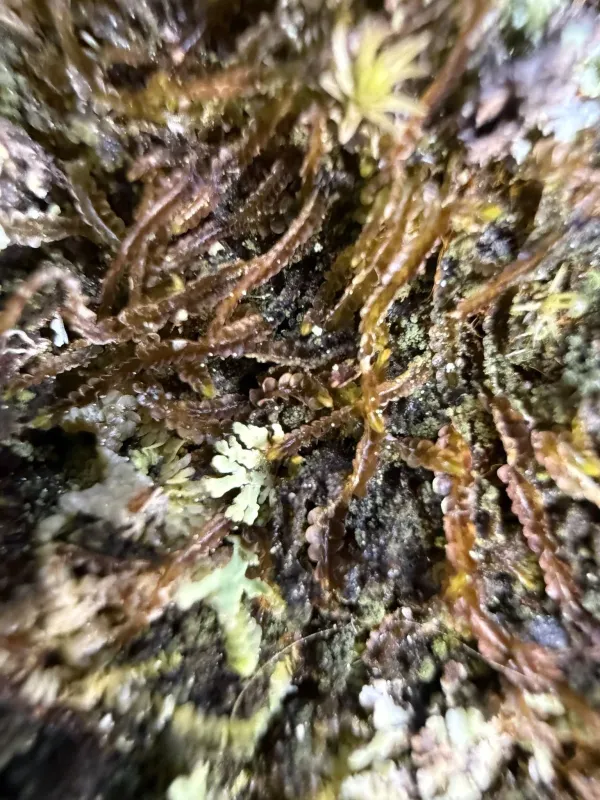
Description
Growing requirements
Odontoschisma sphagni is a species of liverwort belonging to the family Cephaloziaceae. It is a specialized plant primarily found in peatlands, marshes, and sphagnum-dominated bogs throughout temperate and subarctic regions.
It is not categorized as an agricultural crop. Because it relies on complex symbiotic relationships and specific soil moisture levels, cultivation for commercial use is neither viable nor currently practiced in the agricultural sector.
The plant thrives in acidic, waterlogged conditions. It grows in a creeping pattern, often forming dense mats that contribute to the development of peat and help regulate local humidity levels within the bog ecosystem.
Botanically, it is characterized by its small, overlapping leaves and a lack of complex vascular structures, which is typical for liverworts. It utilizes spores for reproduction, requiring precise moisture levels for the successful establishment of new colonies.
Environmental requirements include a consistent water table, cool temperatures, and high air humidity. Any alteration to the hydrology of its natural habitat leads to the rapid decline of its population, making it an excellent ecological indicator.
Main diseases and pests
The primary threat to Odontoschisma sphagni is the drainage of wetlands for land development or peat extraction. The loss of consistent water sources leads directly to habitat fragmentation and extinction.
Chemical contamination from agricultural runoff, including nitrogen and phosphorus overload, disrupts the nutrient balance of the bogs, making them inhospitable for this highly sensitive species.
While there are no major agricultural pests associated with this plant, climate-induced drought poses a severe risk to its survival. Increased temperatures lead to the evaporation of surface water, leaving the plant exposed to desiccation.
Human activities, such as excessive trampling or vehicle use in peatlands, damage the delicate moss layer. These disturbances destroy the micro-habitats that the liverwort requires to colonize new substrates.
Invasive species or shifts in competitive bog vegetation, caused by environmental changes, can outcompete Odontoschisma sphagni, leading to a loss of biological diversity within the ecosystem.