
Cephalozia bicuspidata
Cephalozia bicuspidata
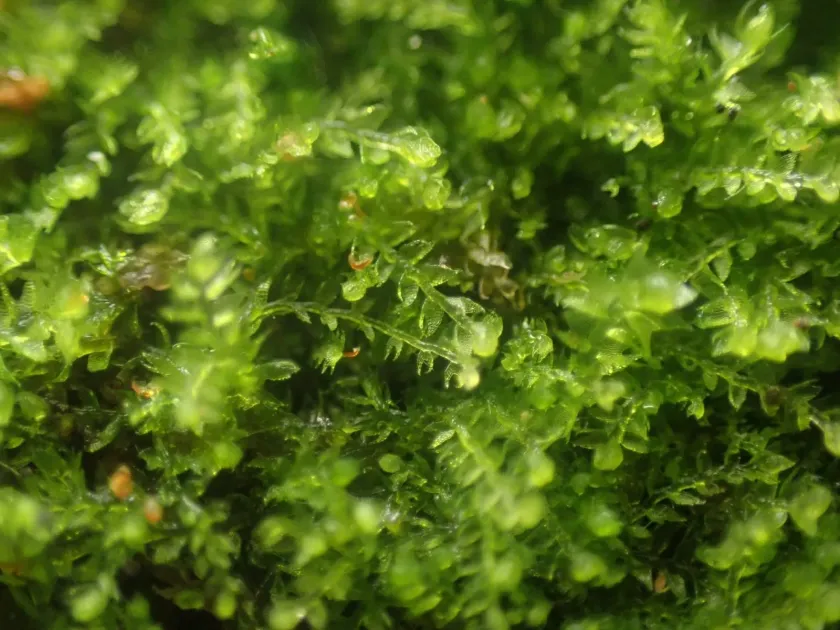
Description
Growing requirements
Cephalozia bicuspidata is a prominent member of the Cephaloziaceae family, categorized as a liverwort. It is not an agricultural crop but is a significant botanical subject within ecology, forestry, and environmental biology studies.
The plant has a cosmopolitan distribution throughout the Northern Hemisphere. It thrives in diverse habitats ranging from damp peatlands and rotting logs to wet cliffs and forest floors, where constant moisture is available.
Botanically, it is characterized by translucent, small, prostrate shoots. The leaves are distinctively bilobed, which is a key diagnostic feature for species identification under a microscope or professional lens.
The primary cultivation requirements for maintaining this plant in a laboratory or eco-project include high relative humidity and a stable, acidic pH substrate. It cannot tolerate direct sunlight or dry conditions, as these quickly dehydrate the cells.
While there is no commercial use for this plant as a traditional crop, it serves as a valuable bioindicator. Its presence helps monitor the hydrological stability and air quality in forest ecosystems and protected natural areas.
Main diseases and pests
The primary threat to the stability of Cephalozia bicuspidata populations is habitat drainage. As a plant highly dependent on aquatic micro-environments, the alteration of local water tables leads to rapid population decline.
Pollution, particularly the presence of nitrogenous runoff and synthetic fertilizers, significantly disrupts the natural growth of the liverwort. These substances change the soil chemistry to a degree that the species can no longer survive.
Climate change, manifesting as rising temperatures and prolonged heatwaves, poses a critical threat. The liverwort's lack of a protective cuticle layer makes it extremely prone to dehydration when water availability drops.
Biological competition from faster-growing vascular plants represents a permanent threat to its survival. In managed areas, the invasion of more aggressive species requires careful monitoring to prevent the total exclusion of the liverwort.
Physical disturbances, including soil trampling and heavy equipment usage, damage the delicate gametophytes of the plant. Recovery from such physical damage is slow due to the nature of the species' growth patterns and its inability to regrow rapidly.