
Cephalozia connivens
Cephalozia connivens
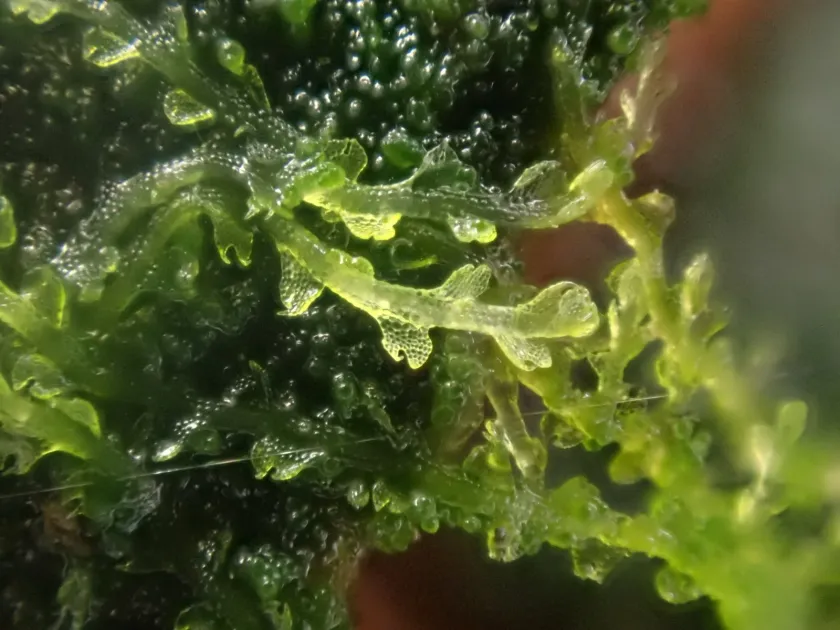
Description
Growing requirements
Cephalozia connivens belongs to the Cephaloziaceae family and is a type of liverwort, which is not an agricultural crop but a significant component of wetland and forest ecosystems.
The plant thrives in extremely damp environments, typically found on sphagnum bogs, decaying logs, and acidic soil patches where moisture remains constant throughout the year.
Due to its lack of vascular tissues for water transport, this moss is strictly dependent on high ambient humidity and direct contact with moist substrates for survival.
It is widely distributed across the Holarctic region, showing a preference for temperate to cool climates where it contributes to the organic composition of the soil.
Morphologically, it is recognized by its small, translucent leaves and delicate stems that cluster into dense mats, which help maintain micro-level moisture levels in its habitat.
Main diseases and pests
The primary threat to Cephalozia connivens populations is the destruction of wetlands through drainage and land development, which removes its essential habitat.
Climate change poses a significant risk as rising temperatures and altered precipitation patterns threaten the stability of the moist niches this liverwort requires.
Pollution, particularly the nitrogen enrichment of soil, can cause competitive displacement by vascular plants that thrive in nutrient-rich conditions.
Mechanical disturbance of the forest floor or peat layers, often caused by forestry operations, leads to the rapid desiccation and death of the moss colonies.
While not affected by agricultural pests, the species is sensitive to fungal infections under conditions of stagnation that deviate from its natural ecological range.