
Octomeria grandiflora
Octomeria grandiflora
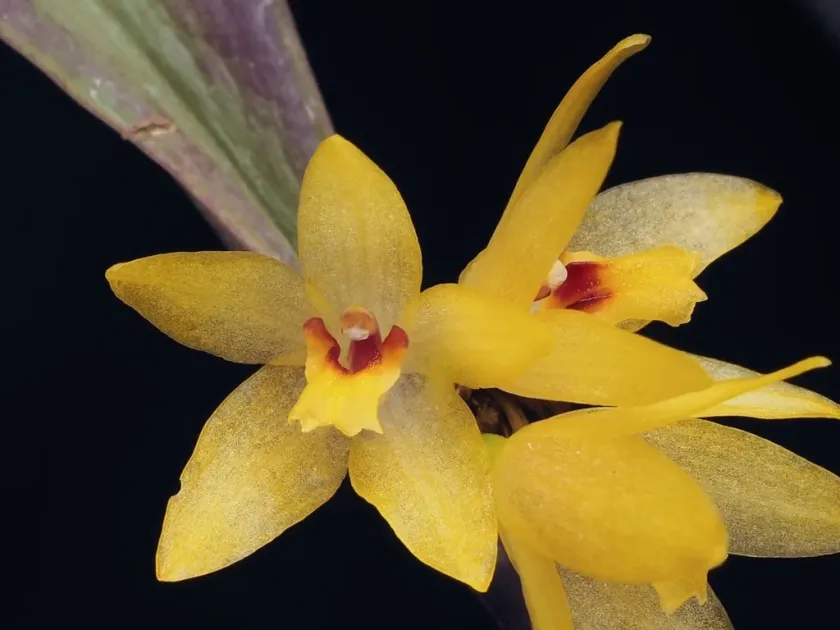
Description
Growing requirements
Octomeria grandiflora is an epiphytic species belonging to the Orchidaceae family. It is native to the tropical regions of South America, specifically Brazil, where it thrives in the canopy of humid forests, growing on the branches of trees rather than in the soil.
Botanically, this plant is characterized by a sympodial growth habit with short, sturdy stems and a single coriaceous leaf per growth. Its root system is designed for clinging to bark and absorbing humidity, which makes it a unique candidate for controlled cultivation in specialized greenhouses.
Climate requirements for this culture include consistent warmth and high relative humidity. It is essential to maintain temperatures between 18°C and 25°C throughout the year, with a drop in temperature at night to mimic natural diurnal cycles and promote healthy growth.
Soil or rather substrate requirements are specific to epiphytes. The plant should be grown in a coarse mixture consisting of pine bark, perlite, and charcoal to ensure excellent aeration. This prevents the roots from suffocating and mimics the airflow encountered in the wild.
Light management requires bright, indirect light. Exposure to intense, direct tropical sunlight can cause serious leaf scorch, whereas insufficient light leads to poor flowering and weak plant structure. Utilizing light-filtering materials in greenhouses is a standard professional practice.
Main diseases and pests
The primary threats to Octomeria grandiflora include mealybugs and scale insects. These pests often congregate near the base of the leaves, where they sap the plant's vitality and necessitate immediate intervention with horticultural oils or approved systemic insecticides.
Root rot and crown rot are common physiological threats caused by stagnant water or poor air circulation. Effective management requires maintaining a balance where the substrate stays damp but allows for quick drainage to prevent the proliferation of pathogenic fungi.