
Ocotea leucoxylon
Ocotea leucoxylon
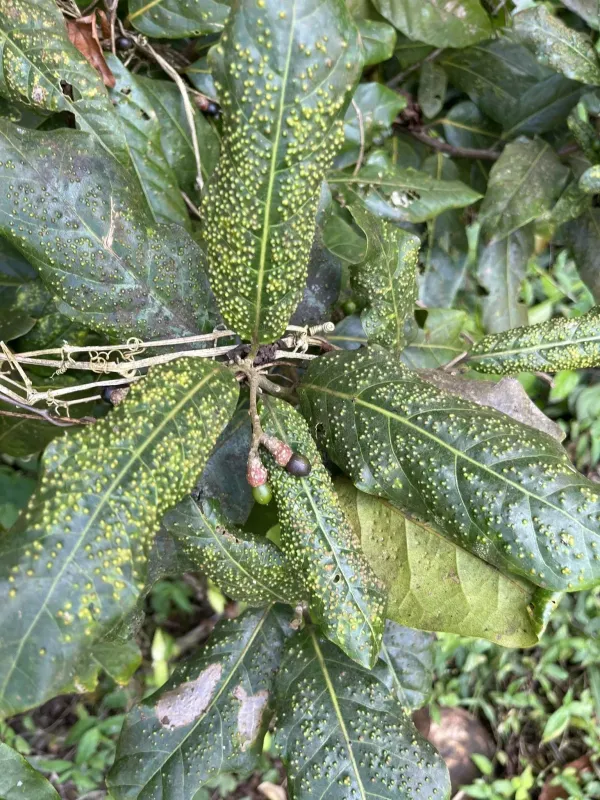
Description
Growing requirements
Ocotea leucoxylon is a distinctive evergreen tree species belonging to the Lauraceae family. It is native to the tropical forests of the Caribbean region and parts of South America, where it forms an integral part of the local ecosystem.
The tree thrives in environments characterized by high annual precipitation and consistently warm temperatures. Optimal development is observed in tropical climates where the temperature remains within the range of 22-28 degrees Celsius throughout the year.
Regarding soil requirements, the species prefers deep, fertile, and well-drained soils. It exhibits a low tolerance for waterlogged conditions, which necessitates selecting sites with efficient natural or artificial drainage systems for plantation establishment.
Light intensity plays a significant role in the growth cycle. While saplings may demonstrate partial shade tolerance, mature trees require significant solar exposure to maintain vigorous growth and produce quality timber.
The economic value of this species is primarily attributed to its timber, which is appreciated for its durability and resistance to decay. Beyond production, it is often utilized in reforestation efforts due to its rapid growth in suitable tropical niches.
Main diseases and pests
The primary phytosanitary risks include fungal infections such as root rot, which are often exacerbated by poor drainage and excessive soil moisture in tropical nurseries.
Insect pests, including various species of leaf-eating beetles and wood-borers, can cause significant damage to plantation stands if left unmanaged during the early developmental stages.
Environmental stressors, such as prolonged drought or nutrient deficiencies, significantly weaken the tree's defense mechanisms, making it more susceptible to localized disease outbreaks.
Standard agronomic practices for mitigation include maintaining adequate spacing to ensure good airflow and preventing the build-up of humidity within the canopy.
Consistent monitoring and the implementation of integrated pest management strategies are essential to ensure the health and productivity of Ocotea leucoxylon plantations.