
Ochlandra travancorica
Ochlandra travancorica
Description
Growing requirements
Ochlandra travancorica is a species of bamboo belonging to the Poaceae family. It is native to the Western Ghats of India, thriving in tropical evergreen and semi-evergreen forest environments where rainfall is abundant and the climate remains humid year-round.
For successful cultivation, this plant requires high soil moisture levels and warm temperatures. It is well-suited to deep, acidic, and well-drained soils found in hilly regions. Unlike some bamboo varieties, it prefers environments that mimic its natural mountainous habitat, specifically avoiding sites prone to prolonged drought.
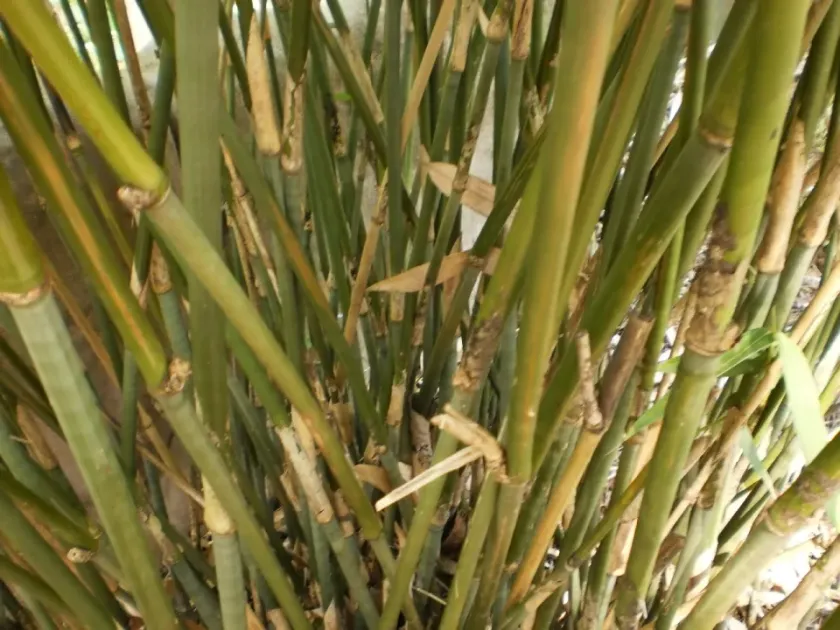
The botanical structure of Ochlandra travancorica is characterized by thin, flexible culms that form dense, impenetrable thickets. These features make it highly effective as a bio-filter and a soil stabilizer on slopes, preventing topsoil erosion and promoting nutrient cycling within the forest floor.
Agronomically, the plant is propagated through rhizome divisions. This method ensures that the young plants inherit the vigorous growth traits of the parent stock, allowing for the establishment of sustainable bamboo forests that can be harvested on a rotational basis every few years.
Industrially, this bamboo is a primary source of raw material for the pulp and paper industry. Furthermore, its unique flexibility makes the culms ideal for traditional basketry, mat weaving, and the manufacturing of eco-friendly furniture items that are both durable and lightweight.
Main diseases and pests
The most significant threats to Ochlandra travancorica are fungal diseases and insect pests, particularly in overcrowded stands where air circulation is restricted. Symptoms often include localized necrotic spots on the leaves and stems, which can impede the plant's structural development.
Insects like bamboo borers and aphids are common pests that target the plant's nutrient-rich tissues. To maintain a healthy crop, agronomists recommend implementing a rotational harvesting schedule that improves canopy airflow and reduces the habitat suitability for such pests.