
Sea buckthorn
Hippophae rhamnoides L.
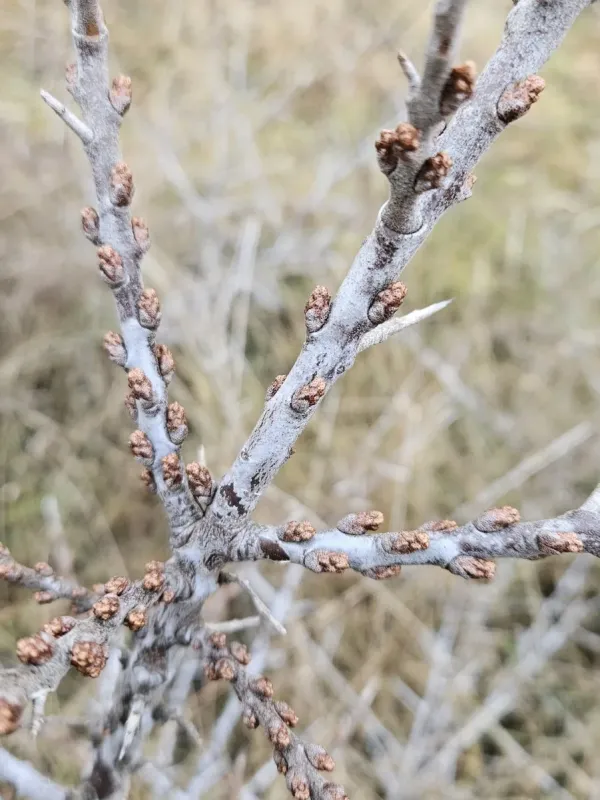
Description
Sowing dates
Sea buckthorn (Hippophae rhamnoides L.) belongs to the Elaeagnaceae family. It is a hardy, deciduous shrub or small tree that is typically propagated through vegetative means, such as cuttings or suckers, to ensure the offspring retain the parent plant's desirable traits.
The ideal time for establishing a new plantation is early spring, before the buds begin to swell. Fall planting is also possible in milder climates, provided the root system has enough time to establish itself before the ground freezes.
Sea buckthorn is a dioecious plant, meaning individuals are either male or female. To achieve successful pollination, it is critical to plant a male pollinator for every 5 to 6 female plants, ideally positioned upwind to allow the wind to carry pollen effectively.
In commercial orchards, spacing is usually set at 3 to 4 meters between rows and 2 to 2.5 meters between individual plants. This layout provides adequate airflow and light penetration, which are essential for fruit development and pest management.
Plants grown in containers can be transplanted during the entire growing season, provided they receive consistent watering during the establishment phase. This practice helps ensure higher survival rates and promotes vigorous root growth.
Growing requirements
This crop is highly light-demanding and requires full exposure to sunlight throughout the day. Shade, even from nearby structures or dense vegetation, drastically reduces fruit yield and leads to premature leaf drop and branch thinning.
Sea buckthorn is adaptable to various soil types but thrives in light, well-drained sandy or loamy soils with a neutral or slightly alkaline pH. It is highly sensitive to waterlogging, making good drainage a mandatory requirement for successful growth.
A unique feature of this plant is its symbiotic relationship with nitrogen-fixing actinomycetes. These microbes live in nodules on the roots, allowing the plant to thrive in nutrient-poor, rocky, or sandy soils where other crops might fail.
The plant exhibits exceptional winter hardiness, surviving temperatures as low as -40°C. However, it is susceptible to late spring frosts, which can damage emerging flower buds and significantly reduce the potential harvest.
While mature plants are drought-tolerant, supplemental irrigation during the critical fruit-filling stage is recommended. Consistent soil moisture during this phase contributes to larger fruit size and higher overall quality of the berries.
Yield
Yields vary depending on the variety, age of the plantation, and the intensity of orchard management. A healthy, mature sea buckthorn shrub can produce between 5 and 15 kilograms of berries per season.
The plant typically enters its productive phase 3 to 4 years after planting. Yields increase annually until the plant reaches its peak productivity between the ages of 7 and 12 years, after which pruning and renewal are necessary.
Pollination efficiency is the primary factor affecting yields. Since it is wind-pollinated, calm weather during the flowering period can significantly hinder fruit set, emphasizing the importance of proper orchard layout.
The fruit is highly valued in the pharmaceutical, cosmetic, and food industries for its high concentrations of vitamins C, E, and K, as well as its unique omega fatty acid profile found in both the juice and seeds.
To sustain high yields, growers should practice regular maintenance, including soil surface management (mulching or cover cropping) and periodic organic fertilization to ensure the plants remain in a productive state.
Main diseases and pests
The sea buckthorn fly is the most significant pest, as its larvae feed on the developing berries, causing them to shrivel, discolor, and drop prematurely. Early monitoring and targeted insecticide applications are often required.
Fusarium wilt is a common fungal disease that affects plants under stress. Symptoms include yellowing of leaves and the dying back of branches, which can eventually lead to the death of the entire plant if not managed.
Aphid infestations can cause leaf curling and stunt shoot growth. These pests also produce honeydew, which can attract secondary fungal infections, further damaging the vitality of the plant and its fruit quality.
Endomycosis of the fruit causes berries to soften and rot quickly. This disease is particularly prevalent in humid conditions with poor air circulation, making proper pruning and spacing essential for disease prevention.
Effective pest and disease management relies on cultural practices, such as removing dead wood, maintaining optimal plant density, and using integrated pest management strategies to protect the beneficial biodiversity within the orchard.
Harvesting
Harvesting sea buckthorn is labor-intensive due to the plant's thorns and the way the berries are tightly attached to the branches. Traditional manual picking is slow and can cause damage to the fragile fruit.
Many growers use specialized hand tools, such as small wire loops or mechanical strippers, to remove berries from the branches without crushing them. Care must be taken to minimize damage to the bark and buds.
In large-scale commercial operations, a common method involves harvesting branches during late autumn or winter when the berries are frozen. The frozen berries are then shaken off the branches, which significantly speeds up the process.
Timing is crucial: the berries should be harvested when they have reached their peak color and nutritional profile but before they become overripe and susceptible to mechanical damage.
Post-harvest handling is critical, as fresh berries have a very high moisture content and high metabolic activity. They should be chilled or processed immediately to prevent spoilage and nutrient loss.