
Nuxia floribunda
Nuxia floribunda
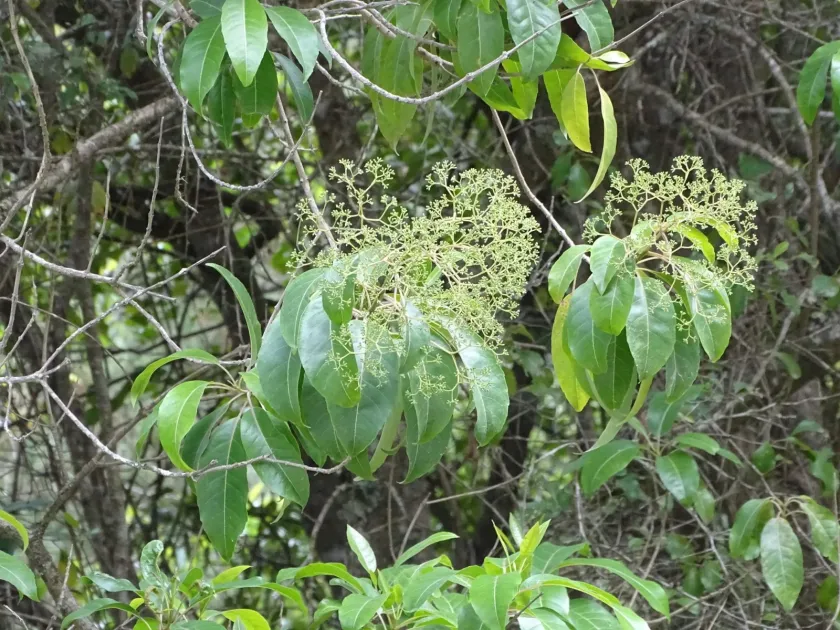
Description
Growing requirements
Nuxia floribunda, commonly known as the Forest Elder, is an evergreen tree belonging to the Stilbaceae family. In its natural habitat, it typically grows as a medium to large tree with a spreading, rounded crown.
The plant is native to the Afromontane forests and coastal regions of Southern Africa. It thrives in high-rainfall areas and is well-adapted to the moisture levels found in forest margins and along stream banks.
For cultivation, the species requires deep, fertile, and well-draining soil. It is particularly responsive to organic matter, so incorporating compost into the planting site significantly enhances growth performance.
Climate requirements include a frost-free environment with moderate temperatures. While it can withstand mild, short-lived cool periods, it is essentially a tender plant that requires protection in regions prone to freezing.
Regarding light, Nuxia floribunda prefers full sun to light shade. Optimal sun exposure encourages a denser branching pattern and more prolific flowering, which is the primary decorative feature of this tree.
Yield
The primary use of Nuxia floribunda is in ornamental landscape design, particularly in subtropical and warm temperate zones. Its ability to produce massive displays of white flowers makes it an excellent choice for specimen planting.
The wood of the Forest Elder is known for its durability and fine grain, although it is rarely harvested on a commercial scale. Historically, it has been used for small-scale woodturning and crafted household items.
As a nectar-rich plant, it provides a valuable food source for bees and various species of butterflies, making it highly beneficial for biodiversity projects and pollinator gardens.
The tree's growth rate is moderate, requiring patience from the cultivator to achieve the desired canopy size. Consistent pruning helps to maintain its shape and manage its size in smaller residential landscapes.
In terms of management, the yield of its aesthetic and ecological value is maximized through balanced fertilization and maintaining appropriate soil moisture throughout the dry season.
Main diseases and pests
The Forest Elder can be susceptible to various leaf-spot fungi if the planting site lacks sufficient air circulation. Keeping the canopy open through careful pruning is a standard preventative measure.
Sucking insects, such as aphids and scale insects, are common pests that tend to cluster on young shoots. Regular monitoring and the application of horticultural oils or systemic insecticides are recommended if infestations occur.
Root rot is the most serious threat when drainage is inadequate. If the soil remains waterlogged, the tree’s root system will quickly decline, leading to yellowing leaves and systemic plant failure.
Weed management during the establishment phase is critical. Competing vegetation can starve the sapling of nutrients and water, causing stunted growth during its first few years.
Mechanical damage to the bark by large herbivores can introduce pathogens into the trunk, leading to localized decay. Protective measures such as tree guards should be implemented in areas where such wildlife is present.