
Nothobartsia spicata
Nothobartsia spicata
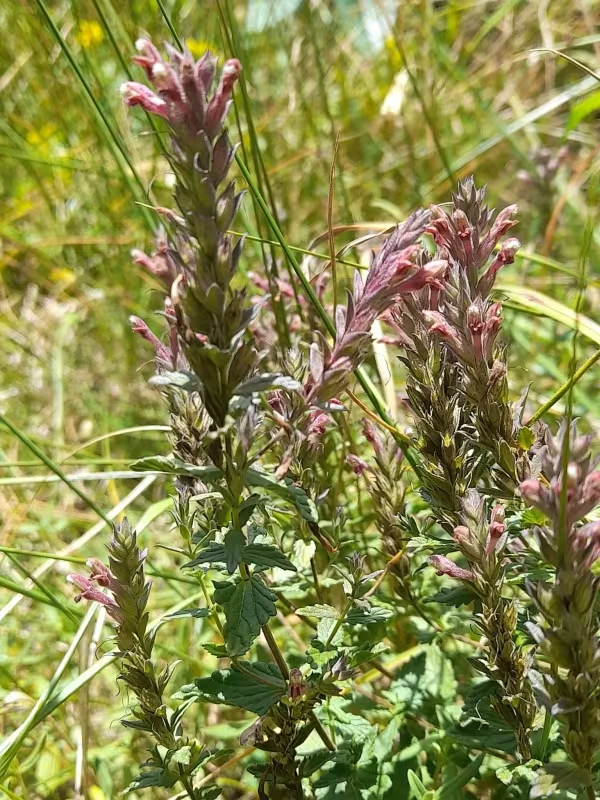
Description
Growing requirements
Nothobartsia spicata is a plant species belonging to the Orobanchaceae family. It is distinct for its hemiparasitic nature, which requires it to attach to the root systems of host plants to supplement its nutrition.
In terms of agricultural requirements, the species thrives in well-drained soils that offer good access to host plant roots. It is not suitable for traditional monoculture but performs well when integrated into biodiversity-rich meadows.
The climate requirement is characterized by temperate zones where the plant receives sufficient sunlight. It is sensitive to excessive shading and waterlogged soil conditions, which can lead to poor plant establishment.
Soil management should prioritize the health of the host species. Since the plant relies on a symbiotic-like parasitic connection, fertilization should be balanced to support the overall meadow community rather than just the target crop.
Biological features include an upright growth habit with spiked inflorescences. Understanding its phenology is essential for managing the timing of growth stages, particularly regarding its reliance on the nutrient flow from host plants.
Main diseases and pests
The main threats to this crop include fungal infections such as powdery mildew, which thrive in conditions of high humidity and poor air circulation around the canopy.
Pests that commonly affect hemiparasites include aphids and leaf-sucking insects. These pests not only weaken the plant directly but may also serve as vectors for various viral diseases.
Soil-borne pests like wireworms pose a significant risk, as they physically damage the root structure, interrupting the vital parasitic connection necessary for the plant's development.
Management strategies involve rigorous field monitoring. Integrated pest management (IPM) is recommended to ensure that interventions do not negatively impact the host plant community.
Proactive care, such as maintaining appropriate density and soil aeration, helps mitigate the risk of infestation and disease outbreaks, preserving the longevity of the plant population.