
Nothaphoebe umbelliflora
Nothaphoebe umbelliflora
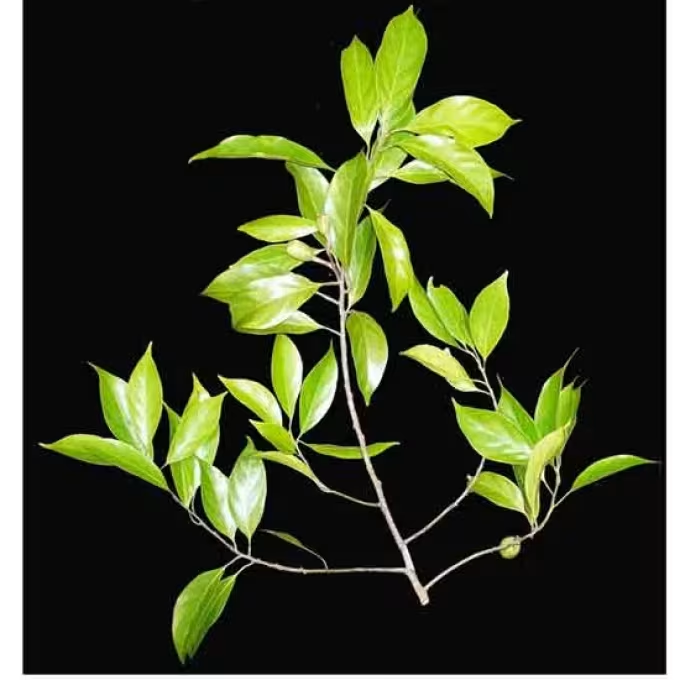
Description
Growing requirements
Nothaphoebe umbelliflora is a distinct species of evergreen tree belonging to the Lauraceae family. It is native to the tropical regions of Southeast Asia, where it thrives in humid forest conditions with high rainfall patterns.
The tree requires a tropical climate with consistent temperatures. It is highly sensitive to cold, and its physiological processes are optimized within a temperature range of 22°C to 30°C. Avoiding frost is critical for the survival of young specimens.
The ideal growing medium for this species consists of deep, well-drained loamy soils rich in organic matter. While the tree can adapt to various soil types, it performs best in soils with a slightly acidic pH, which facilitates efficient nutrient uptake.
Adequate moisture is essential for development. While the tree shows some tolerance to temporary dry spells once established, consistent irrigation or high atmospheric humidity is required during the early stages of growth to ensure healthy foliage.
Plantation management involves careful monitoring of soil moisture and nutrient levels. Organic fertilizers are often recommended to maintain soil structure and support the long-term health of the trees, especially in reforestation programs.
Harvesting
The primary economic significance of Nothaphoebe umbelliflora lies in its high-quality timber. The wood is valued for its durability and structural properties, making it suitable for construction and furniture manufacturing.
Harvesting is typically conducted after trees have reached maturity. Sustainable forestry practices involve selective logging, ensuring that the surrounding ecosystem remains intact while extracting valuable wood resources from the plantation.
Apart from its timber value, the tree species is studied for its chemical compounds. Secondary metabolites found in the leaves and bark have potential applications in the development of traditional or industrial plant-based products.
Propagation is primarily achieved through seeds. Seeds must be processed and planted shortly after collection because they have a relatively short shelf life, which is a major factor in the logistics of seedling production.
Maintenance of commercial stands includes periodic pruning and thinning. This encourages the formation of straight, high-quality boles, which significantly increases the market value of the harvested timber upon rotation completion.