
Nothaphoebe coriacea
Nothaphoebe coriacea
Description
Growing requirements
Nothaphoebe coriacea is an evergreen tree species belonging to the Lauraceae family. This tree is native to the tropical rainforests of Southeast Asia, where it plays a significant role in the local ecosystem.
The plant thrives in a tropical climate characterized by high temperatures and consistent annual rainfall. It is highly sensitive to frost, requiring a stable, warm environment to reach its full growth potential.
Cultivation requires deep, fertile, and well-drained soils. A pH level that is slightly acidic to neutral is ideal for promoting nutrient uptake and ensuring the health of the root system.
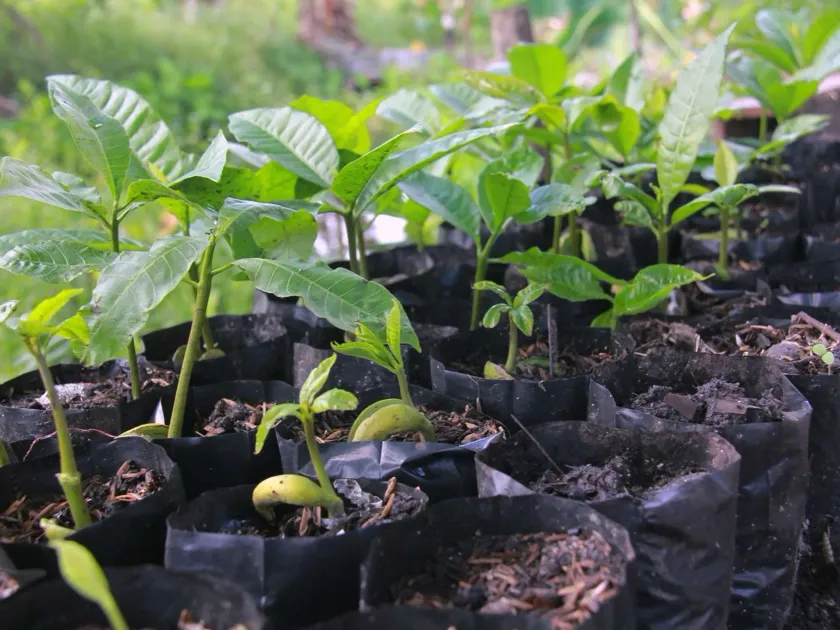
The agricultural practice for this species includes providing shade for saplings, as they are susceptible to heat stress and excessive direct sunlight in their early stages of development.
Economic uses for this tree are diverse, ranging from timber production, favored for its durability, to agroforestry initiatives aimed at restoring tropical canopy structures.
Main diseases and pests
Fungal infections, particularly root rot, represent the primary threat to Nothaphoebe coriacea. These issues are often exacerbated by poor drainage and excessive irrigation.
Insects, especially wood-boring beetles, are common pests that can cause significant damage to the trunks and limbs of mature trees if not properly monitored.
Environmental stressors such as climate change, which alters rainfall patterns, significantly affect the health of these trees and their ability to produce viable seeds.
Biological pest control is the preferred method in commercial nurseries to ensure that the surrounding forest environment remains uncontaminated by heavy chemicals.
Regular sanitation programs, involving the removal of decaying organic material and infected plant parts, are essential to minimize the spread of pathogens within the stand.