
Nothaphoebe panduriformis
Nothaphoebe panduriformis
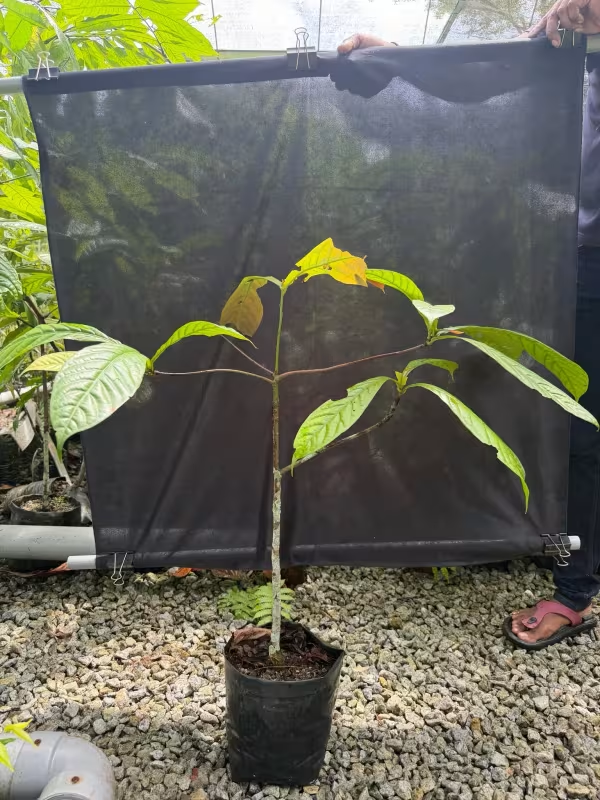
Description
Growing requirements
Nothaphoebe panduriformis is a tropical evergreen tree species classified within the Lauraceae family. Native to the diverse forest ecosystems of Southeast Asia, this tree is highly regarded for its ecological role and structural contribution to the canopy of tropical rainforests.
The climatic requirements for this species are strictly equatorial, necessitating high year-round temperatures and significant annual rainfall. It does not possess any frost tolerance, and its metabolic processes are highly attuned to consistent humidity and warm thermal conditions typical of its native range.
For successful cultivation, the species requires fertile, well-drained loamy soils. Stagnant water is detrimental to root health, making topography and soil texture critical parameters for site selection when establishing stands in commercial or experimental forestry settings.
Silvicultural practices focus on the species' shade-tolerant nature during the initial growth stages. Establishing an appropriate canopy cover or using shading methods for nursery-grown saplings is essential to minimize stress and promote healthy vertical development in young trees.
The primary economic value of Nothaphoebe panduriformis lies in its timber properties. The wood is utilized in local construction and cabinet making due to its durability and specific grain characteristics, which are common traits among the economically significant species of the Lauraceae family.