
Sargent's cherry
Prunus sargentii Rehder
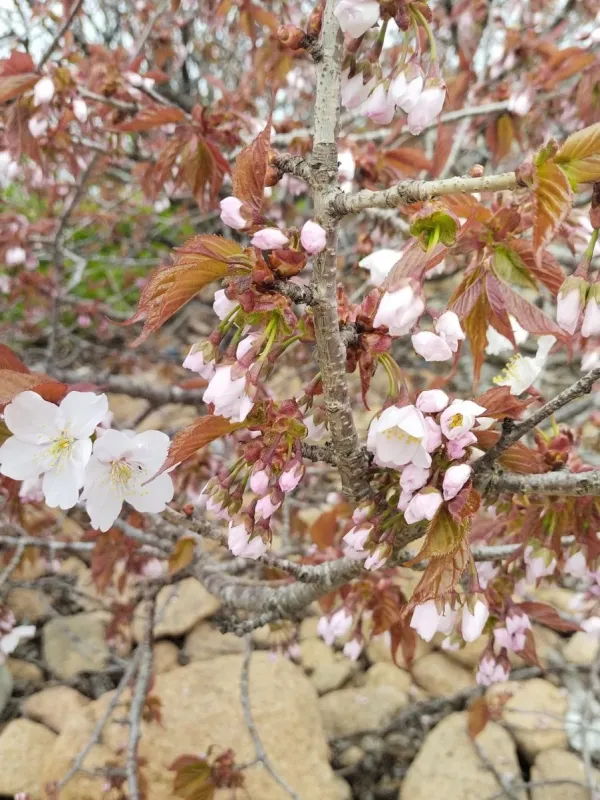
Description
Growing requirements
Sargent's cherry is a highly valued ornamental tree belonging to the Rosaceae family, native to East Asia, including Japan and Korea. It is widely recognized for its vibrant spring blossoms and excellent cold hardiness, making it a staple in northern temperate landscapes.
The tree thrives in full sun exposure, which is critical for maintaining its dense canopy and ensuring prolific flowering each year. Ideally, it should be planted in fertile, well-draining soils with a slightly acidic to neutral pH, avoiding sites prone to waterlogging.
Proper agronomic management involves regular watering during the establishment phase, especially in the first two years after planting. Providing a layer of organic mulch around the base helps regulate soil temperature and retain essential moisture for the developing roots.
While the tree is relatively low-maintenance once established, light structural pruning is recommended in early spring. This practice promotes healthy airflow within the crown and allows the gardener to shape the tree for better aesthetic integration into the garden layout.
The primary use of Prunus sargentii is in landscape architecture, where it serves as a spectacular flowering specimen. Its ability to tolerate urban environmental stress makes it a popular choice for street plantings, parks, and residential gardens alike.
Main diseases and pests
Common fungal diseases such as brown rot and leaf spot can affect the foliage and blossoms, particularly in seasons with prolonged moisture. Preventative measures include improving air circulation and applying copper-based fungicides when symptoms first appear.
Pests like aphids and scale insects occasionally attack the tender growth, potentially weakening the tree if left unchecked. A combination of careful monitoring and the use of horticultural oils or insecticidal soap is typically sufficient to manage these infestations effectively.