
Nestegis lanceolata
Nestegis lanceolata
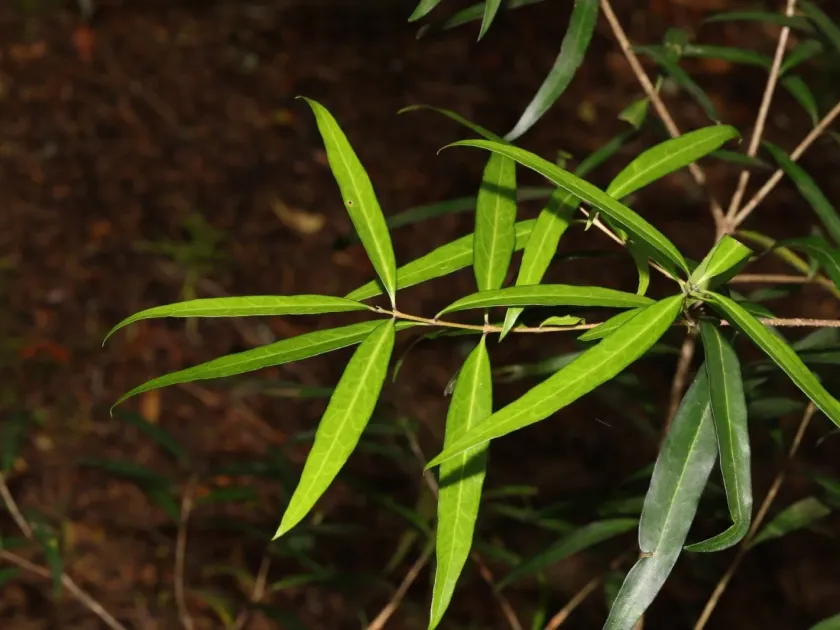
Description
Growing requirements
Nestegis lanceolata, commonly known as white maire, is an evergreen tree belonging to the Oleaceae family. Native to New Zealand, this species is highly valued for its dense foliage and historical significance within indigenous forest ecosystems.
The tree is characterized by its lance-shaped, leathery leaves and slow-to-moderate growth rate. It serves as a vital component in reforestation projects, as its dense canopy provides excellent shade and habitat for local avian species, which in turn aids in seed dispersal.
When cultivating this species, it is essential to provide well-drained, nutrient-rich soil. While the plant can tolerate a variety of soil types, it performs best in slightly acidic to neutral substrates that allow for deep root penetration without the risk of waterlogging.
Climate requirements for Nestegis lanceolata include protection from harsh, drying winds and excessive frost during the establishment phase. It thrives in temperate regions with reliable rainfall, though once established, it demonstrates a notable level of resilience to mild drought.
Horticulturally, white maire is utilized for ornamental landscaping, windbreaks, and biodiversity restoration. Its timber, known for extreme density and strength, is highly durable, although modern usage is strictly limited to conservation and landscape enhancement purposes.
Main diseases and pests
The primary threats to Nestegis lanceolata involve soil-borne pathogens, particularly Phytophthora species, which can cause severe root rot in poorly drained conditions. Effective site preparation and drainage management are the most critical defensive measures.
Pests such as scale insects can infest the foliage, leading to reduced vigor and secondary sooty mold growth. Routine inspection and the application of horticultural oils or soaps are recommended when pest pressure is detected during the active growing season.
Leaf spot diseases can occur in environments with high humidity and poor air circulation. To mitigate this, practitioners should avoid overcrowding trees and ensure that pruning practices promote adequate light penetration and airflow throughout the canopy structure.
Nutrient deficiencies, particularly in magnesium or iron, may manifest as chlorosis on older leaves. Regular soil testing and the application of balanced, slow-release fertilizers can prevent these imbalances and support consistent tree health throughout the year.
Invasive weeds competing for space and nutrients represent a constant threat to young seedlings. Maintaining a weed-free zone around the base using organic mulch is highly beneficial for establishing strong root systems in the first three years of growth.