
Nestegis cunninghamii
Nestegis cunninghamii
Description
Growing requirements
Nestegis cunninghamii, commonly known as maire, is a distinctive evergreen tree belonging to the Olive family (Oleaceae). It is native to New Zealand and is highly regarded for its botanical uniqueness and its status as a slow-growing climax species in temperate forests.
The plant thrives in regions with stable, humid, and temperate climate conditions. Optimal cultivation requires nutrient-rich, well-draining soils that maintain consistent moisture without becoming waterlogged, mirroring the natural forest floor conditions it evolved in.
Regarding agrotechnical management, young specimens require partial shade to protect them from direct, intense sunlight during their early development years. Their slow growth rate necessitates long-term planning and minimal disturbance to their root systems.
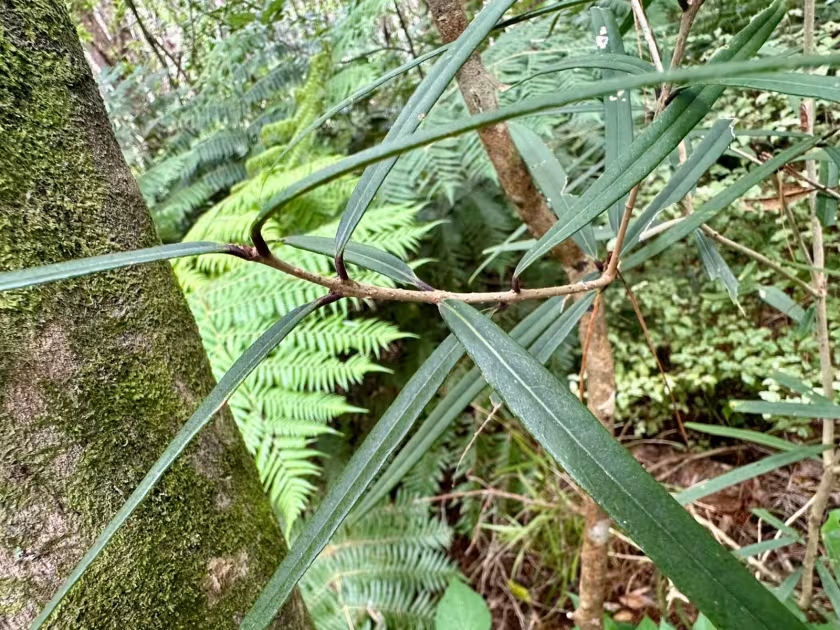
Botanically, it is characterized by narrow, leathery leaves and small, fragrant inflorescences. The fruit is a small drupe, serving as a vital ecological resource for native bird species, which in turn assist in the seed dispersal process within their habitat.
The timber of this species is renowned for its exceptional density, hardness, and durability. Historically, it was favored for crafting tools, weaponry, and intricate carvings, making it a valuable biological resource for specialized wood production.
Main diseases and pests
Pathogenic fungi represent the most significant threat, particularly those that target root systems under conditions of poor soil aeration. Leaf-eating insects can also cause localized damage, primarily affecting the aesthetics and health of younger, more vulnerable plants.