
Nepenthes rajah
Nepenthes rajah
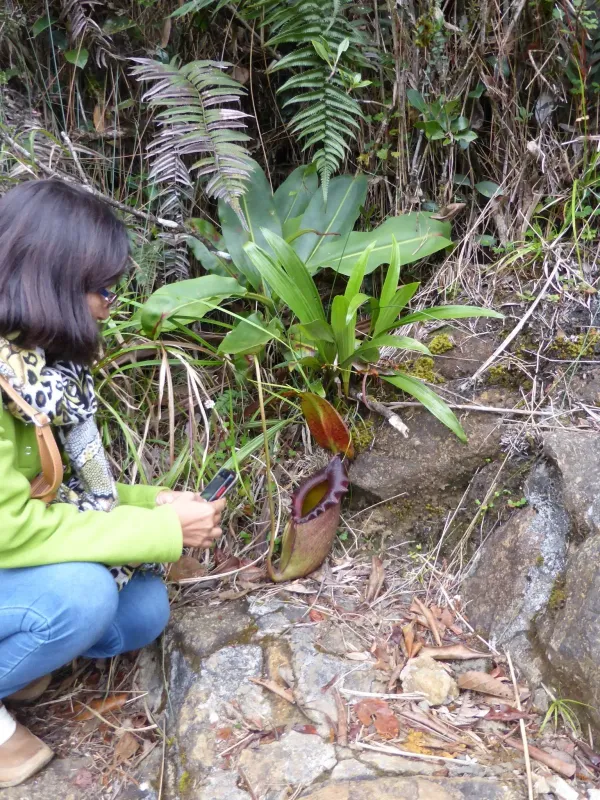
Description
Growing requirements
Nepenthes rajah is a remarkable carnivorous plant species within the Nepenthaceae family. Native to the Kinabalu mountain range on Borneo, it flourishes in high-altitude environments, making it one of the most sought-after specimens for botanical collectors worldwide.
To successfully cultivate this species, growers must replicate its high-altitude habitat. The plant requires a significant diurnal temperature swing, with cool nights (around 10–12°C) and moderate daytime temperatures (20–25°C), which is essential for the plant's metabolic health.
The growing medium must be highly porous, nutrient-poor, and acidic to mirror its natural substrate. A mix consisting of live sphagnum moss, perlite, and bark is generally considered optimal to ensure excellent drainage and prevent the roots from suffocating in stagnant conditions.
Humidity is paramount for the development of its signature large pitchers. Maintaining levels consistently between 75% and 90% is necessary to prevent the leaves from drying out and to ensure the plant remains in an active state of prey capture and growth.
As a conservation-dependent species, the commercial usage of Nepenthes rajah is highly regulated. It serves primarily as a flagship species in botanical research and specialized horticulture, highlighting the importance of biodiversity in tropical ecosystems.
Main diseases and pests
Root rot is the most significant threat to Nepenthes rajah, typically caused by improper substrate compaction or poor drainage. Once the root system is compromised, the plant struggles significantly to recover due to its inherently slow growth rate.
Fungal leaf spot diseases are common when air circulation is inadequate in the growing environment. Stagnant, moist air provides the perfect breeding ground for various pathogens that can rapidly damage the plant's foliage.
Pests such as mealybugs and spider mites can infest the plant, particularly if the humidity levels fluctuate. Monitoring the plant closely is vital, as these pests can cause permanent damage to the tender tissues of the newly developing pitchers.
Water quality is a major factor in plant health; the use of tap water containing high mineral content will cause toxic accumulation in the substrate. Distilled, reverse osmosis, or pure rainwater is mandatory to avoid fatal chemical burns to the sensitive root hairs.
Standard chemical fertilizers should be avoided entirely, as the plant is evolved to derive nutrients from prey rather than soil. Incorrect fertilization can lead to leaf burn and the rapid death of the sensitive pitcher traps.