
Nemesia hybrids
Nemesia hybrids
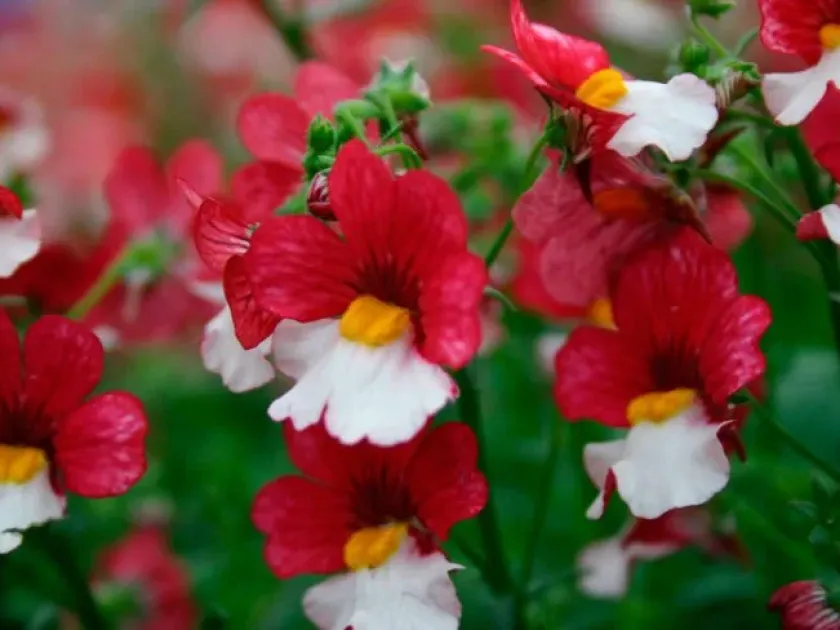
Description
Sowing dates
Sowing Nemesia hybrids seeds indoors is usually performed in March or April to produce strong seedlings. Seeds should be sown on the surface because they require light to germinate, then lightly dusted with fine vermiculite or sand.
The temperature for germination must be maintained between 18–20 degrees Celsius. Seedlings typically emerge within 10 to 14 days, after which the temperature should be lowered to 15 degrees to prevent the plants from becoming leggy.
Transplanting seedlings to open ground should only occur after the last frost date has passed. The optimal time for planting in most climates is late May when the soil has warmed up sufficiently.
Direct sowing into the soil is possible in May, though this results in significantly later blooming than the indoor method. Plants should be spaced 15 to 20 centimeters apart to ensure proper airflow.
Some growers practice staggered sowing in July to maintain a continuous display of flowers throughout the autumn months until the first deep freeze.
Growing requirements
Nemesia hybrids belong to the Scrophulariaceae family and are popular annuals prized for their intense flower color. They require open, sunny locations protected from strong, drying winds.
The soil must be light, fertile, and well-drained, with a neutral pH. The plant is highly sensitive to waterlogging, so heavy clay soils must be amended with sand or organic matter to improve drainage.
Regular but moderate watering is necessary throughout the growing season. The soil should remain consistently moist, but excessive wetness often leads to root rot and other pathogenic issues.
Fertilization with balanced mineral fertilizers should be conducted every two weeks during the active growth phase. Excessive nitrogen can lead to lush vegetative growth but may inhibit prolific flowering.
Deadheading—the removal of spent flowers—is a critical horticultural practice for this species. It prevents seed production and encourages the plant to put energy into developing new buds.
Main diseases and pests
Root rot is the most significant threat to Nemesia hybrids, usually caused by improper irrigation and poor soil aeration. Once the root system is damaged, the plant typically declines rapidly.
Aphids are the most common pests, as they colonize tender shoots and buds, causing leaf deformation and potential transmission of plant viruses. Early detection and treatment are essential.
Spider mites can become a problem during periods of hot, dry weather. They thrive in low humidity and can significantly stress the plant, leading to mottled foliage and poor bloom quality.
Disease prevention relies on maintaining adequate spacing to ensure good air circulation. Dense plantings are prone to fungal issues that thrive in trapped moisture.
If fungal or pest infestations are observed, damaged plant parts must be removed promptly. Systematic applications of fungicides or insecticides may be required depending on the severity of the outbreak.