
Neesia synandra
Neesia synandra
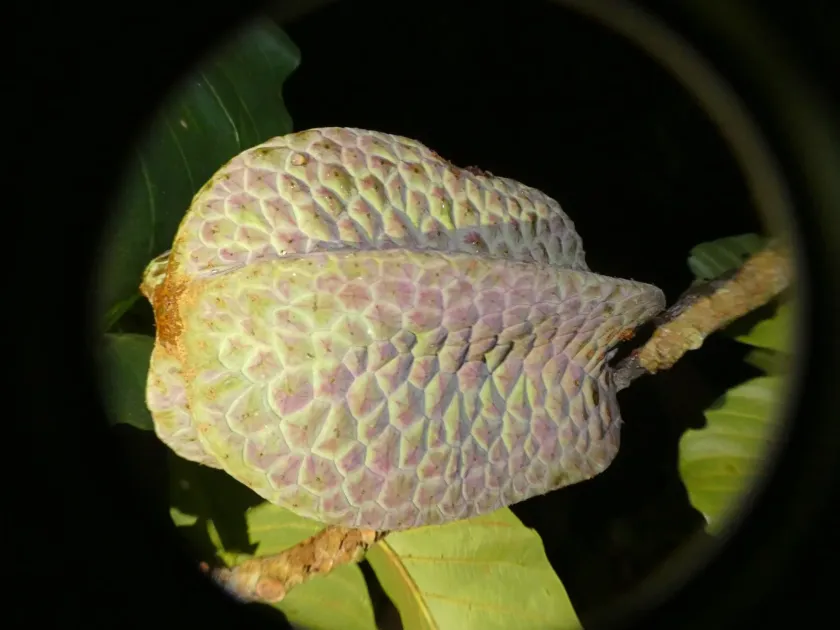
Description
Growing requirements
Neesia synandra is a large tropical tree belonging to the Malvaceae family, native to the diverse rainforests of Southeast Asia, particularly regions with high precipitation.
To thrive, this species requires a tropical climate characterized by consistently high temperatures and significant humidity levels throughout the year.
Soil health is paramount for the cultivation of this tree; it performs best in deep, well-draining soils that are rich in organic nutrients and protected from erosion.
The plant is naturally adapted to grow under the canopy of larger forests, which provides essential protection from direct, intense sunlight during the early growth stages.
Agricultural managers should ensure that plantations are located in areas where natural drainage prevents waterlogging, which can be detrimental to the root system of mature specimens.
Yield
The economic utility of Neesia synandra is multifaceted, involving the harvesting of its oily seeds and the utilization of its wood for construction or local crafts.
Yield rates are typically measured in terms of seed production per mature tree, though exact numbers depend heavily on the maturity of the specific forest stand.
Harvesting is often labor-intensive as it involves collecting heavy, woody fruit capsules that fall from significant heights or must be gathered from the canopy.
The timber obtained from this tree is considered valuable for specific regional applications due to its physical properties, making it a sustainable source for local wood industries.
As research into this species progresses, it is expected that standardized horticultural practices will lead to more predictable and higher yields for commercial growers.