
Neesia malayana
Neesia malayana
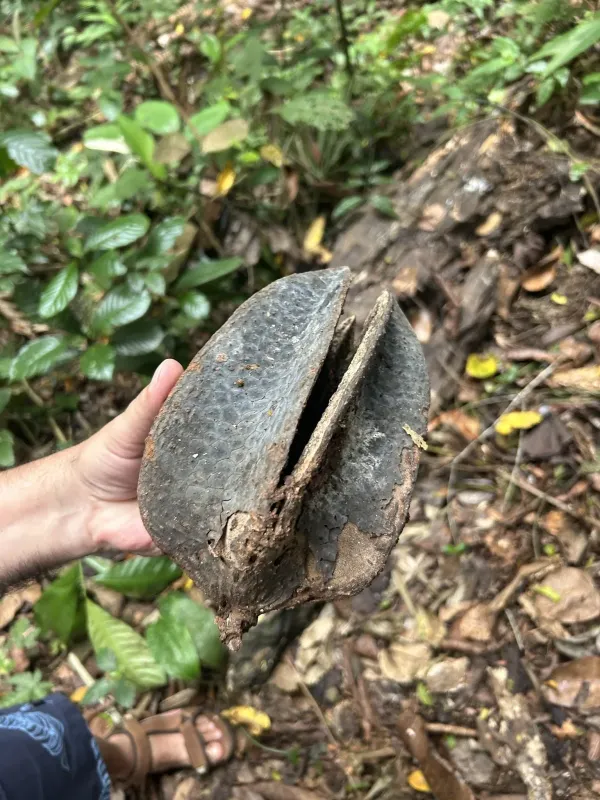
Description
Growing requirements
Neesia malayana is a large tree species belonging to the Malvaceae family, specifically the subfamily Bombacoideae. It is native to the tropical rainforests of Southeast Asia, thriving in equatorial climates.
The tree requires a warm, humid environment with consistent rainfall throughout the year to maintain its rapid growth cycles and structural integrity in dense forest stands.
Deep, well-drained, and nutrient-rich soils are essential for Neesia malayana. It is well-adapted to the rainforest floor and often exhibits significant buttress roots that provide stability in deep, soft tropical soils.
Environmental conditions in its native habitat involve high competition for light, leading the tree to grow tall and reach the upper canopy levels to receive maximum sun exposure.
The species is extremely intolerant of frost or dry seasons, which makes it highly sensitive to climatic changes and environmental disturbances within its endemic range.
Yield
The economic value of Neesia malayana is primarily derived from its timber, which is utilized in regional construction and manufacturing industries, including plywood production.
Yield estimation is complex due to its growth in natural forests rather than managed plantations; sustainable harvest rates are determined by forest management agencies to protect biodiversity.
While the tree is not a conventional agricultural crop, its biomass production and role in forest ecosystems contribute to the overall productivity of the tropical forestry sector.
The seeds of the tree, contained within large woody capsules, play a vital role in the ecological regeneration of the forest, which is essential for maintaining long-term forest resources.
Future management of the species focuses on balancing industrial timber needs with conservation efforts to ensure the continued survival of the species in the wild.
Main diseases and pests
Habitat loss due to deforestation for palm oil plantations and large-scale agricultural conversion remains the most significant threat to the survival of Neesia malayana populations.
Fungal infections of the bark and trunk represent common pathological issues, especially when forest humidity levels fluctuate due to human-induced microclimate changes.
Various wood-boring insects act as natural pests, attacking weakened specimens and reducing the quality of timber, which poses challenges for forestry operations.
Genetic bottlenecking, resulting from the isolation of remaining patches of forest, makes the species more vulnerable to environmental stresses and shifts in pest population dynamics.
Active monitoring, establishing protected forest areas, and promoting reforestation with native species are critical strategies for mitigating these environmental and biological threats.