
Narthecium scardicum
Narthecium scardicum
Description
Growing requirements
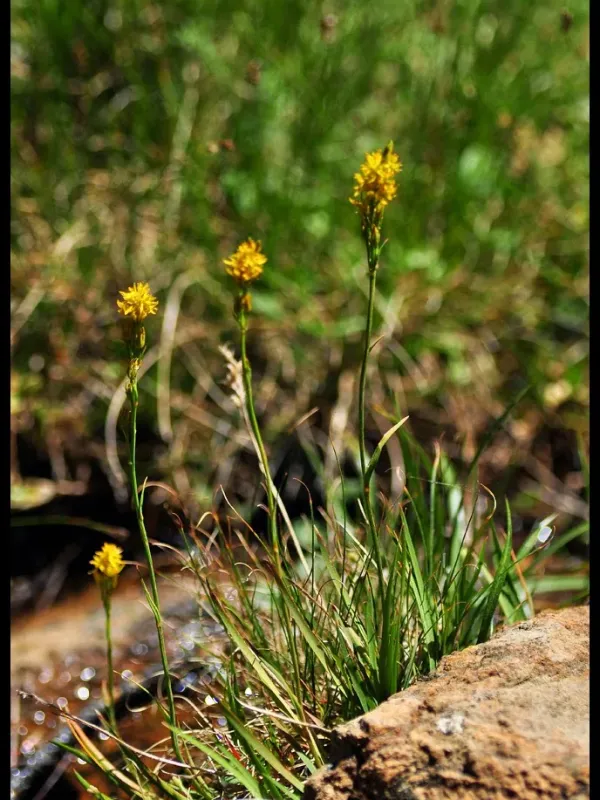
Narthecium scardicum is a rare herbaceous perennial plant belonging to the Nartheciaceae family. Native to the mountain meadows of the Balkans, it is valued for its unique adaptation to high-altitude ecosystems and specific moisture requirements.
The plant thrives in environments characterized by consistently moist soil conditions. However, successful cultivation requires a substrate with excellent drainage properties to prevent root suffocation, which is a common issue in poorly managed cultivation setups.
Soil requirements involve a preference for acidic to slightly acidic substrates that are rich in organic matter. Mimicking the native peaty or humus-rich soils of its natural habitat is crucial for achieving vigorous plant development and healthy flowering.
Regarding climate, this species prefers cool to temperate conditions. It is well-adapted to mountain climates but requires protection from extreme heat and prolonged direct sunlight, which can cause significant physiological stress to the foliage.
Agrotechnical maintenance focuses on maintaining steady soil moisture levels. Utilizing mulch is highly recommended as it helps regulate soil temperature, suppresses weeds, and preserves moisture, which is vital during the active growing season.
Main diseases and pests
The primary pathological threats include fungal infections such as root rot, which are often exacerbated by poor drainage and stagnant air around the base of the plant. Maintaining optimal air circulation is a key preventive measure.
Insect and gastropod pests are significant concerns, particularly slugs and snails which are attracted to the succulent foliage of Narthecium. Integrated pest management strategies, including manual removal or physical barriers, are effective in protecting the plants.