
Bog asphodel
Narthecium ossifragum
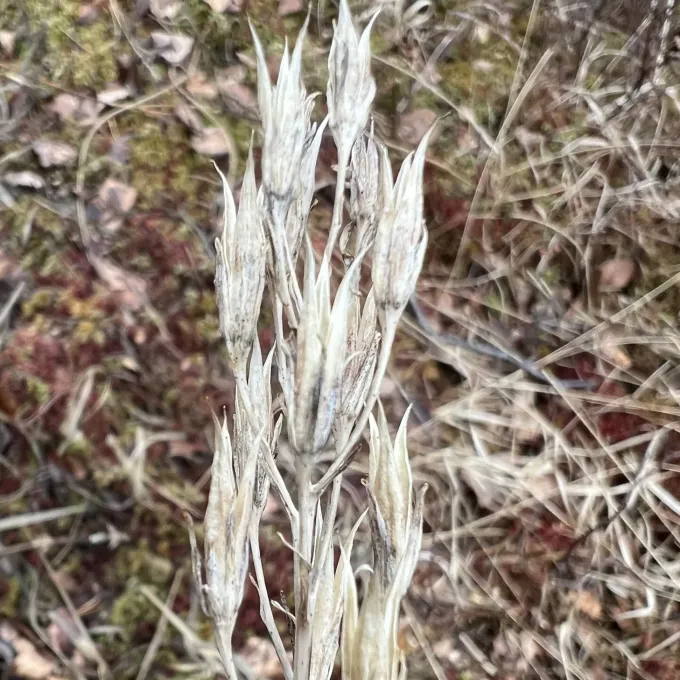
Description
Growing requirements
Bog asphodel (Narthecium ossifragum) is a perennial herbaceous plant belonging to the Nartheciaceae family. It is typically found in wetlands, moors, and heathlands, requiring very specific site conditions.
The native range of the species covers the Atlantic regions of Europe. It thrives in acid, peat-based soils and relies heavily on a high and consistent water table to maintain its physiological functions.
When cultivated, the plant requires open, sunny environments. Exposure to direct sunlight is crucial for the development of its bright yellow inflorescences and healthy rhizome system.
Regarding soil, it prefers nutrient-poor, acidic conditions. It does not tolerate alkaline substrates, which can inhibit nutrient uptake and lead to the degradation of the plant population.
Agricultural techniques involve maintaining moisture levels consistently throughout the growing season. Propagation is best achieved via division of rhizomes or sowing stratified seeds, which need a cold period to germinate successfully.
Main diseases and pests
The primary concern regarding this plant in agricultural settings is its toxicity to livestock. Sheep, in particular, suffer from phototoxicity and liver damage if they ingest the plant in significant quantities.
Due to its chemical profile, Bog asphodel is relatively resistant to common agricultural pests. Most insects avoid the plant, making it a low-maintenance crop regarding pest control.
Fungal pathogens may emerge in cases of poor drainage or if the root system is subjected to excessive heat combined with stagnant water, which can encourage rot.
Competition from aggressive grasses and shrubs poses a significant threat to young plantings. Regular maintenance of the site is necessary to ensure the plant is not overtaken.
Effective management includes regular monitoring of soil pH levels. Ensuring the environment remains acidic is the most critical measure for preventing disease and plant stress.