
Myriophyllum verrucosum
Myriophyllum verrucosum
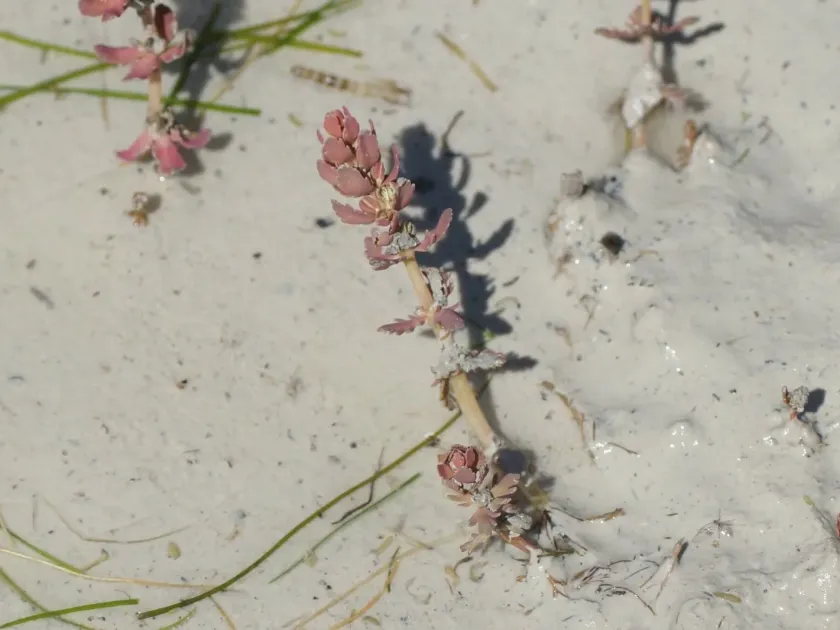
Description
Sowing dates
Myriophyllum verrucosum is a perennial aquatic plant belonging to the Haloragaceae family. It is widely recognized in horticulture and the aquarium trade for its delicate, feathery foliage that adds structural complexity to underwater environments.
Propagation is strictly vegetative, typically achieved through stem cuttings. These cuttings naturally develop adventitious roots at the nodes within a few days when submerged in a suitable substrate.
The ideal time for propagation is during the peak growing season, from late spring to summer. High metabolic activity during these months ensures rapid establishment of new plants.
In aquatic systems, several stems are usually bundled together and anchored into a substrate to create dense, lush clusters. This technique is standard practice in both commercial nurseries and hobbyist setups.
Sexual reproduction through seeds is rarely practiced in agricultural settings due to the specialized requirements for germination and the dominance of efficient asexual propagation methods.
Growing requirements
This species thrives in fresh, static, or slow-moving water bodies. Excellent water clarity is essential, as the plant depends on high light penetration for consistent biomass production.
Optimal growth occurs at water temperatures between 20°C and 28°C. Stable thermal conditions are vital to prevent physiological stress, which often results in leaf shedding.
The substrate must be nutrient-rich and porous. Supplemental fertilization, particularly with potassium and trace minerals, is necessary in closed systems where natural nutrient cycling is limited.
Carbon dioxide (CO2) supplementation significantly boosts growth rates, leading to more robust and vibrant specimens. Maintaining a balanced level of CO2 is critical for successful long-term cultivation.
Regular maintenance involves trimming the apical meristems, which encourages lateral branching and helps to maintain the desired aesthetic density of the plant colony.
Main diseases and pests
Aphids pose a significant threat to any foliage emerging above the water surface. If left unchecked, these pests can quickly compromise the plant's health and structural integrity.
Fungal pathogens associated with decaying organic matter can cause stem rot. Ensuring proper water circulation is the primary defense against such opportunistic infections.
Filamentous algae competition is a major factor in aquatic plant health. When algae growth is aggressive, it inhibits the plant's photosynthesis by covering the surface area of the leaves.
Nutrient deficiencies, particularly iron or magnesium, manifest as chlorosis. Growers must regularly monitor water quality parameters to identify and correct imbalances promptly.
Invasive snails or other macro-herbivores may occasionally graze on the tender, developing shoots, which can hinder the plant’s ability to propagate and spread effectively.