
Myriophyllum tetrandrum
Myriophyllum tetrandrum
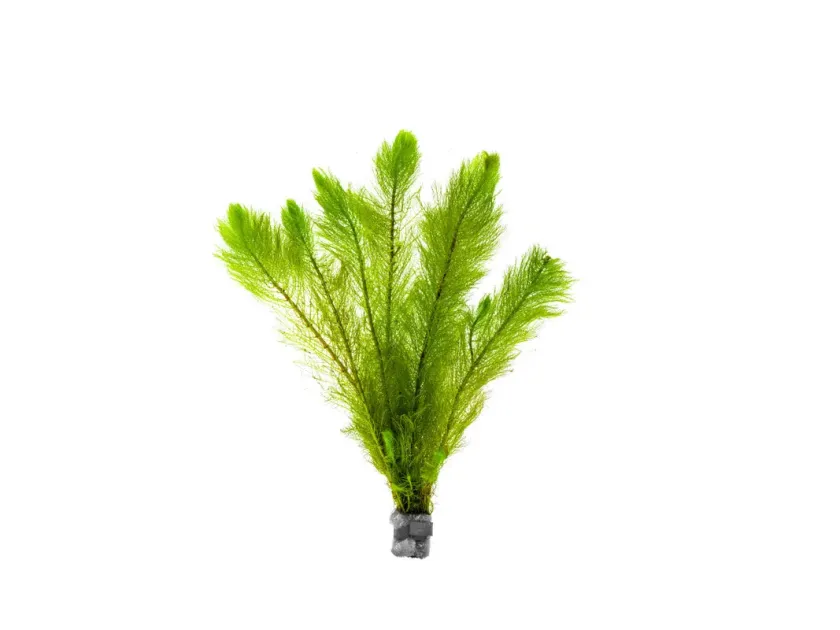
Description
Sowing dates
Myriophyllum tetrandrum is a submerged aquatic perennial plant belonging to the Haloragaceae family, known for its finely dissected, feather-like foliage.
Propagation is primarily achieved through stem cuttings; these segments are planted into a nutrient-rich substrate where they develop roots within a few days.
The optimal time for planting is during the late spring or summer months, as increased daylight intensity stimulates rapid vegetative expansion and robust growth.
It is essential to space cuttings properly in the substrate to prevent overcrowding, ensuring that all parts of the plant receive adequate light and water circulation.
Once established, the plant forms dense, lush underwater thickets that serve as an excellent habitat for aquatic fauna in various managed water systems.
Growing requirements
This species demands high light intensity to maintain its compact growth form and vibrant coloration; low light conditions lead to leggy stems and leaf loss.
Water parameters should be maintained within a neutral to slightly acidic pH range, with soft to medium hardness, to support healthy physiological processes.
Temperature control is vital, with a preferred range between 20°C and 26°C, ensuring consistent metabolic rates and preventing stress-related stagnation.
Regular fertilization with micronutrients, especially iron and potassium, is necessary for maintaining the characteristic deep green color of the feathery leaves.
Efficient water filtration is required to keep the water column free of suspended debris, which can settle on leaves and hinder photosynthesis.
Main diseases and pests
The most significant threat to the plant is the development of epiphytic algae, such as hair algae, which can completely smother the delicate leaves.
Deficiencies in essential nutrients or carbon dioxide often cause chlorosis, resulting in the yellowing and eventual shedding of the oldest leaves.
Aquatic snails and certain crustacean species can cause mechanical damage to the tender apical meristems, significantly slowing down the plant's growth rate.
Bacterial decay is a common issue when water quality degrades, typically following the accumulation of excessive organic waste in the bottom sediment.
Maintaining a stable environment is the best defense against pests and diseases, as healthy plants are far more resilient to various environmental stressors.