
German tamarisk
Myricaria germanica
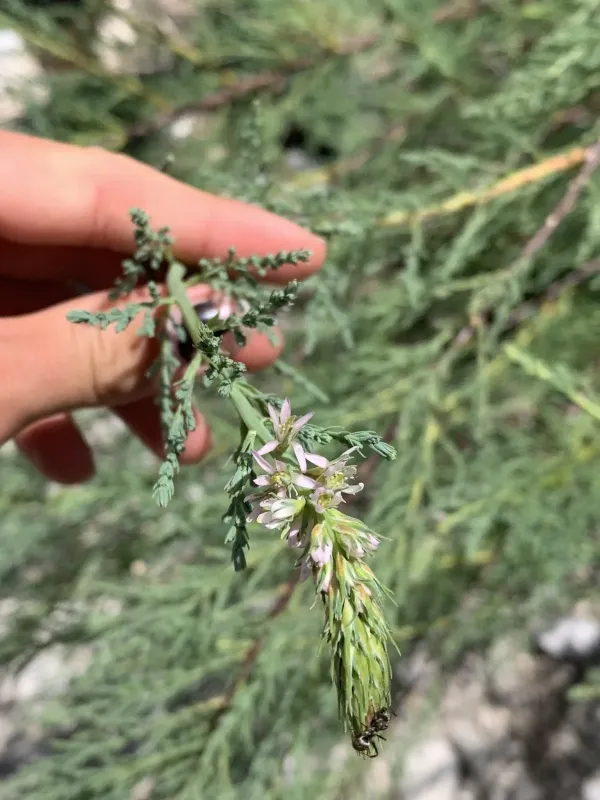
Description
Sowing dates
The propagation of Myricaria germanica is most effective through semi-hardwood cuttings taken during the early spring before the buds begin to swell significantly.
For successful rooting, cuttings should be placed in a well-draining substrate such as perlite mixed with peat, ensuring that moisture levels remain constant throughout the process.
Seeds are extremely small and short-lived, so they are typically sown immediately after harvesting in shallow trays, keeping the surface constantly moist with a fine mist.
Seedlings or rooted cuttings should be hardened off in a sheltered environment before they are transplanted to their permanent location in the landscape.
Proper spacing is essential to ensure adequate airflow, which is critical for preventing fungal issues, especially in regions with high ambient humidity during the growing season.
Growing requirements
The German tamarisk belongs to the Tamaricaceae family and is native to the gravelly riverbeds and alluvial banks of Central and Northern Europe and Asia.
This species is highly intolerant of shade; it requires full sun exposure to maintain its characteristic upright habit and to produce its delicate, pink, feathery inflorescences.
It thrives in moist to wet soil conditions and is exceptionally well-suited for soil bioengineering, such as stabilizing stream banks and areas prone to periodic inundation.
While the plant is flexible regarding soil texture, it performs best in neutral to slightly alkaline mineral-rich soils that allow for rapid drainage despite high moisture content.
It displays remarkable resilience to cold winter temperatures, making it a reliable choice for landscaping in temperate climate zones, provided it is protected from extreme wind desiccation.
Main diseases and pests
Myricaria germanica is generally a low-maintenance plant that is not significantly bothered by major diseases, provided its environmental requirements are met.
The primary health risk is root rot, which occurs if the soil remains stagnant or if the plant is grown in heavy, waterlogged clay that prevents oxygen exchange.
Aphids can occasionally infest the soft terminal growth during warm spells, which may require monitoring and potential treatment with mild horticultural soaps if numbers become problematic.
Spider mites are a potential pest during exceptionally hot and dry summers; maintaining adequate soil moisture levels is the most effective way to keep the plants resistant to such infestations.
Regular maintenance pruning helps remove weak or damaged branches, effectively reducing the nesting sites for pests and ensuring the overall vigor of the shrub is preserved.