
Musschia aurea
Musschia aurea
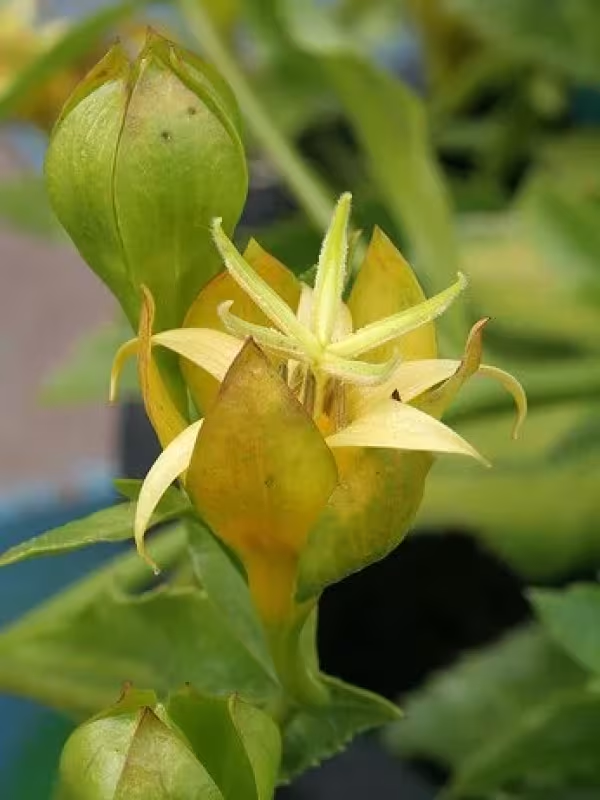
Description
Sowing dates
Propagation of Musschia aurea is primarily achieved through seeds, as the plant is a rare endemic species. Sowing should be carried out in specialized greenhouse trays using a sterile, well-draining seed-starting mix.
Seeds are extremely small and should be sown on the surface of the growing medium without being buried. Maintaining high humidity and a stable temperature around 20 degrees Celsius is essential for uniform germination.
Once seedlings have reached the two-leaf stage, they must be transplanted into individual pots to ensure adequate root development. Care must be taken not to damage the delicate root systems during the transfer process.
Growth is slow initially, requiring patience and a controlled environment to ensure that the young plants are protected from temperature fluctuations and drying out.
Consistent monitoring for moisture levels in the substrate is vital during the early stages of plant development to prevent the damping-off of young seedlings.
Growing requirements
Musschia aurea belongs to the Campanulaceae family and is native to the rocky cliffs of Madeira. Its cultivation in greenhouse or indoor environments requires mimicking its natural cliffside habitat.
The plant thrives in a soil mix that is porous and rich in organic matter. A significant portion of perlite or pumice should be added to the substrate to provide the necessary aeration and drainage that the roots demand.
Light requirements include bright, indirect sunlight. Protecting the plant from direct midday exposure is crucial to prevent leaf scorching, which can cause long-term damage to its aesthetic appeal.
Watering should be balanced, allowing the surface of the soil to dry out slightly before the next irrigation. Overwatering is the most common cause of failure in cultivating this specific species.
Maintaining a moderate environment with good ventilation is essential for the plant's health, as stagnant air often leads to bacterial or fungal infections on the large, lush leaves.
Main diseases and pests
Root rot is the most significant threat to Musschia aurea, usually triggered by improper watering schedules or growing media that does not provide adequate drainage for the delicate roots.
Spider mites are a common pest problem, particularly when the plant is kept in environments with low air humidity. Regular misting or the use of acaricides can help manage mite populations.
Powdery mildew can affect the foliage if the plant is kept in a damp, poorly ventilated room. Increasing airflow and avoiding water on the leaves during irrigation are effective preventative measures.
Aphids can also attack the soft tissues of the plant, specifically targeting new growth. Prompt intervention using insecticidal soap is recommended to prevent significant damage.
Sanitation is a critical component of plant protection; removing senescent leaves and keeping the surrounding environment clean significantly reduces the risk of pathogens appearing.