
Muscari neglectum
Muscari neglectum
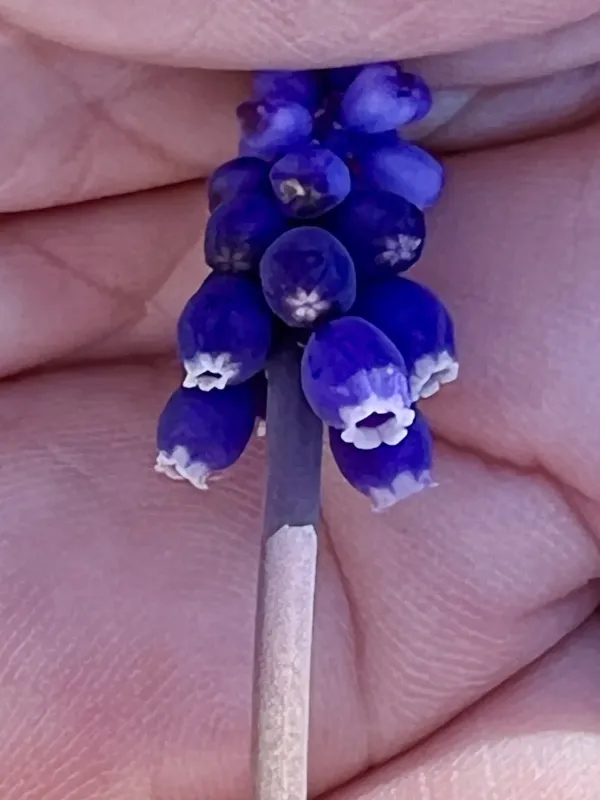
Description
Sowing dates
Muscari neglectum belongs to the Asparagaceae family and is recognized as a hardy bulbous perennial that thrives in varied soil conditions.
The primary method of propagation is through the separation of daughter bulbs, which are harvested during the plant's dormant phase.
Planting typically occurs in early autumn, allowing the bulb to establish its root system before the onset of winter dormancy.
Proper spacing of 10 centimeters between plants is essential to prevent overcrowding and ensure adequate nutrient uptake from the soil.
Successful cultivation relies on selecting disease-free bulbs, which should be planted at a depth of roughly twice their diameter.
Growing requirements
This species is highly adaptable, preferring full sunlight but showing remarkable tolerance for partial shade conditions in temperate climates.
Well-drained soil is a non-negotiable requirement, as excessive moisture leads to bulb rot and fungal pathogen proliferation.
The plant performs best in neutral to slightly alkaline soil with moderate organic matter content to support healthy growth cycles.
Climatic requirements include a cool dormant period, which acts as a vernalization trigger for subsequent spring flowering.
Regular monitoring of moisture levels is crucial, especially during the spring growth flush, to ensure consistent plant development.
Main diseases and pests
Common threats include viral infections such as onion yellow dwarf virus, which manifests as stunted growth and leaf discolouration.
Fungal issues, notably Penicillium mold, can affect stored bulbs if they are subjected to high humidity and poor ventilation.
Pests like bulb mites and aphids pose significant risks, potentially transmitting plant pathogens and damaging the bulb's structural integrity.
Integrated pest management, including crop rotation and the use of healthy stock, is the most effective strategy against these threats.
- Sterilisation of tools to prevent viral transmission.
- Application of sulphur-based powders for bulb storage.
- Monitoring for early signs of infestation.
Harvesting
Harvesting should be conducted once the foliage has turned yellow and withered, indicating that the bulb has stored sufficient energy for the next cycle.
Bulbs must be carefully extracted from the soil to avoid mechanical damage, as wounds serve as entry points for rot-causing microorganisms.
Post-harvest treatment involves drying the bulbs in a shaded, well-ventilated environment until the outer scales are firm and dry.
Grading the bulbs by size allows for better management of the planting stock, ensuring that larger bulbs produce more vigorous flowers.
Proper storage conditions involve cool, dry, and dark environments to maintain bulb vitality until the next planting season begins.