
Muscari motelayi
Muscari motelayi
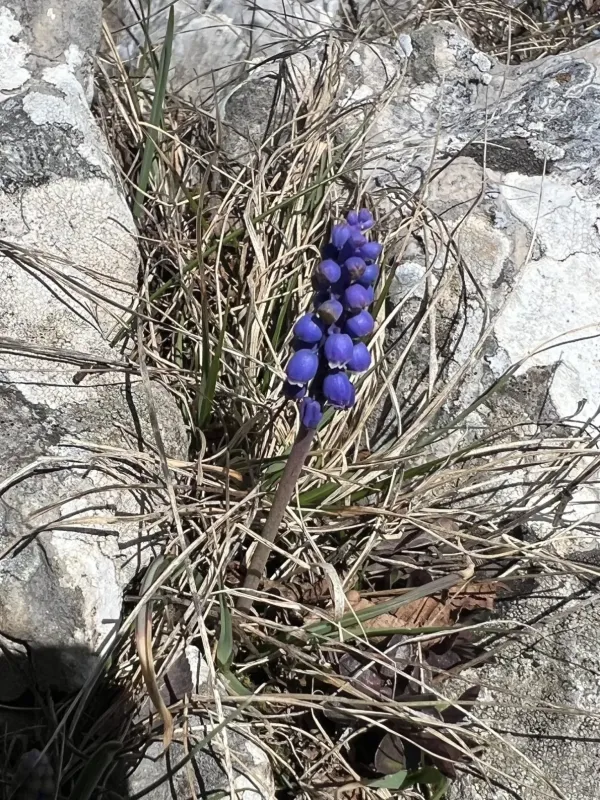
Description
Growing requirements
Muscari motelayi belongs to the Asparagaceae family and is a perennial bulbous plant known for its ornamental value. It originates from regions in Southern Europe, where it thrives in open, sunny meadows and rocky habitats.
The species requires well-drained soil with a slightly alkaline or neutral pH level to prevent bulb rot. These plants perform best in locations that receive full sun during their active growth phase in early spring.
Botanically, it features narrow, basal leaves and dense racemes of small, bell-shaped flowers. It is a highly resilient species, well-adapted to surviving cool winters and dry summers, which are critical stages for its dormancy cycle.
Proper cultivation involves planting bulbs in late summer or autumn, ensuring they are placed at a depth of approximately three times the diameter of the bulb. This deep planting helps the plant withstand temperature fluctuations throughout the winter.
In terms of хозяйственного (utilitarian) use, it is a staple in rock gardens and front-border plantings. Due to its early blooming period, it provides essential nectar sources for early spring pollinators in garden environments.
Main diseases and pests
The primary diseases affecting Muscari motelayi are caused by fungal pathogens such as Botrytis or Fusarium, which are frequently triggered by waterlogged soils or inadequate aeration.
Pests such as bulb mites are a persistent threat, often attacking the basal plate of the bulb and significantly weakening the plant's structural integrity over several growing seasons.
Integrated pest management, including the use of certified healthy bulbs and preventive fungicide treatment, is essential for maintaining a high-quality display in garden landscapes.
Weed management is also critical, as competitive grasses can limit nutrient availability and increase humidity levels around the foliage, promoting fungal growth.
Routine inspection of the planting site during the early spring flush ensures that any signs of viral infection or stunted growth can be managed quickly by removing the affected bulbs.