
Muscari matritense
Muscari matritense
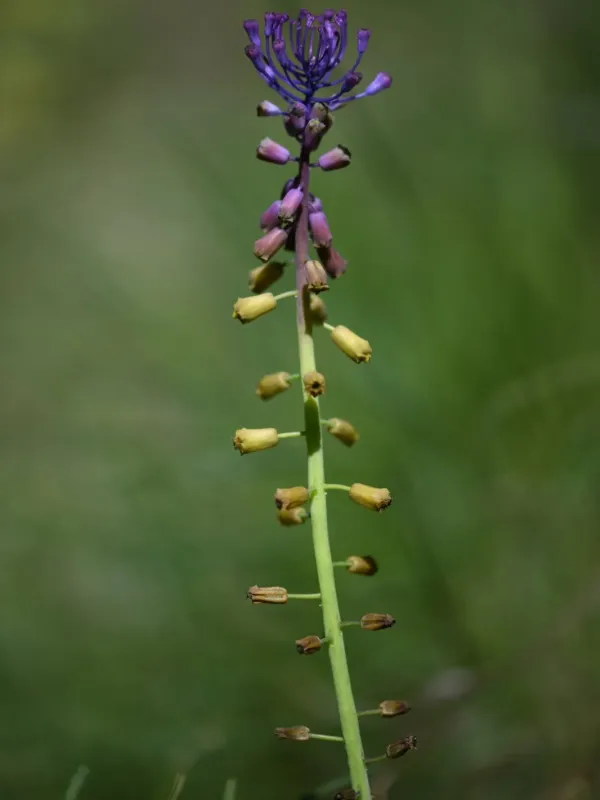
Description
Sowing dates
The planting of Muscari matritense bulbs is typically carried out during the autumn dormancy period. It is essential to ensure planting occurs when soil temperatures are stable, usually between 10 and 12 degrees Celsius, allowing the roots to establish before the onset of winter.
Site preparation is critical, requiring a location with excellent drainage to prevent bulb rot. Planting depth should be approximately two to three times the diameter of the bulb, ensuring the neck is properly positioned relative to the soil surface.
Spacing between individual plants should ideally be about 10 centimeters to facilitate adequate airflow and minimize the risk of pathogen spread. Dense plantings can become problematic if moisture levels remain high for extended periods.
Adding organic matter to the soil can improve structure, but it must be well-decomposed to avoid introducing pathogens. Incorporating a layer of coarse sand at the bottom of the planting hole is a recommended practice to ensure rapid water drainage.
After planting, the area should be marked to avoid accidental disturbance during the dormant summer season. Mulching can provide additional temperature stability, especially in regions with unpredictable winter frost patterns.
Growing requirements
Muscari matritense is a bulbous plant belonging to the Asparagaceae family. Native to specific regions of the Iberian Peninsula, it has evolved to thrive in environments characterized by distinct seasonality, requiring specific climatic triggers for growth.
The soil requirements for this species are centered on alkalinity and texture. Neutral to slightly alkaline soils provide the best growing conditions, while heavy clay soils must be amended with mineral substrates to prevent waterlogging.
Water management is the most critical aspect of the crop's requirements. While moisture is necessary for vegetative development in the spring, the bulbs require a dry environment during the summer months to complete their life cycle safely.
Sunlight exposure is crucial for the photosynthesis of the basal leaves. Open, sunny positions are preferred, although the plant can tolerate light shade during the hottest parts of the day in warmer climates.
The species also benefits from natural temperature fluctuations. A cold winter period followed by a warming trend in early spring is vital for initiating the development of the inflorescence and ensuring high-quality floral display.
Main diseases and pests
Fungal pathogens represent the primary threat to Muscari matritense. Diseases such as basal rot, caused by various soil-borne fungi, are predominantly triggered by improper irrigation practices and poor soil drainage during the dormant phase.
Pests, particularly bulb mites and nematodes, can inflict significant damage on the underground portions of the plant. These pests often go unnoticed until the plant's overall vigor declines, necessitating early detection and chemical intervention if required.
Aphids can act as vectors for various plant viruses. Controlling aphid populations on the foliage is essential to prevent the transmission of viral diseases, which typically manifest as streaking, stunted growth, or necrotic spots.
Rodents such as voles may consume the succulent bulbs, especially during the winter. Using mechanical barriers or wire baskets when planting can be an effective strategy for protecting the crop from wildlife damage.
To mitigate long-term phytosanitary risks, growers should practice regular site rotation. By moving the bulbs to a fresh area every few years, the accumulation of soil-borne pests and diseases can be significantly reduced.