
Muscari longipes
Muscari longipes
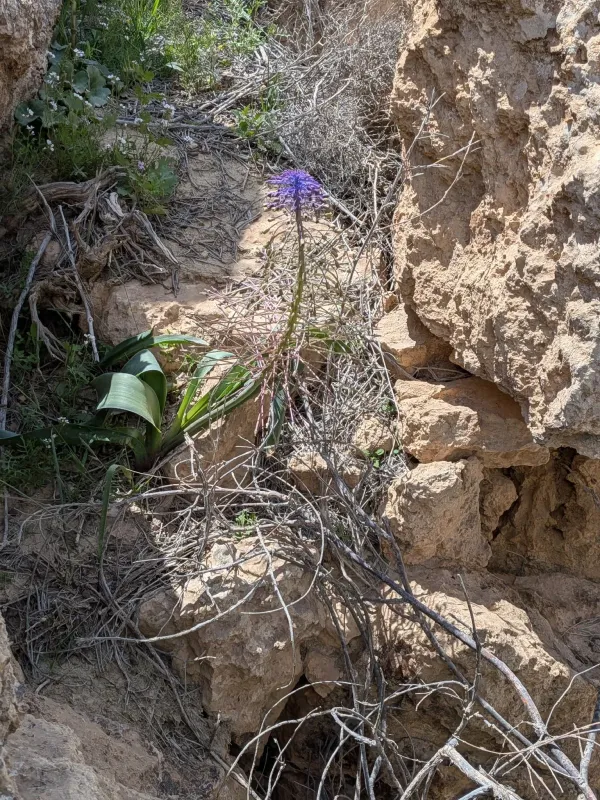
Description
Growing requirements
Muscari longipes is a perennial bulbous plant belonging to the Asparagaceae family. Native to the arid regions of the Middle East and the Levant, it has adapted to thrive in rocky, well-drained environments that provide optimal conditions for its growth cycle.
The crop requires soils with excellent drainage, as the bulbs are highly susceptible to rot if exposed to excess moisture during their dormant phase. A sunny location with a neutral to slightly alkaline soil pH is considered ideal for fostering strong development and vibrant flowering.
Biologically, Muscari longipes is distinguished by its unique inflorescence structure, featuring elongated pedicels on the lower flowers. This feature gives the plant a delicate, airy appearance that sets it apart from more common muscari species used in ornamental gardening.
Climate adaptation is a key factor in its cultivation, as the plant expects a cycle of moist springs followed by hot, dry summers. This natural rhythm is essential for the bulb to store energy and initiate flowering buds for the subsequent growing season.
In terms of agricultural and horticultural use, Muscari longipes is primarily valued by collectors and landscape designers for rock gardens. It serves as an excellent genetic resource for breeders focusing on drought-tolerant and early-blooming bulb varieties.
Main diseases and pests
The primary threats to Muscari longipes include bulb rot and fungal infections such as Fusarium, which are typically triggered by poor drainage or excessive nitrogen application. Maintaining a dry, airy environment during the summer dormancy period is crucial for prevention.
Pests such as the bulb mite (Rhizoglyphus echinopus) and nematodes can severely damage the internal structure of the bulb, often leading to stunted growth or failure to flower. Rigorous soil management and the use of certified healthy planting material are essential protective measures.
Aphid infestations can occur during the rapid spring growth phase, potentially causing damage to the floral spikes. If uncontrolled, these pests can also transmit various mosaic viruses, which significantly reduce the plant's decorative value.
Preventive fungicide treatments for bulbs before planting can significantly reduce the risk of soil-borne pathogens. Furthermore, ensuring that the soil is not overly saturated prevents the proliferation of bacteria that exploit damaged root tissues.
Regular inspection of the planting site is recommended to identify signs of stress or pest presence early. Prompt removal and destruction of symptomatic plants prevent the spread of infections to healthy neighboring bulbs in the garden bed.