
Muscari inconstrictum
Muscari inconstrictum
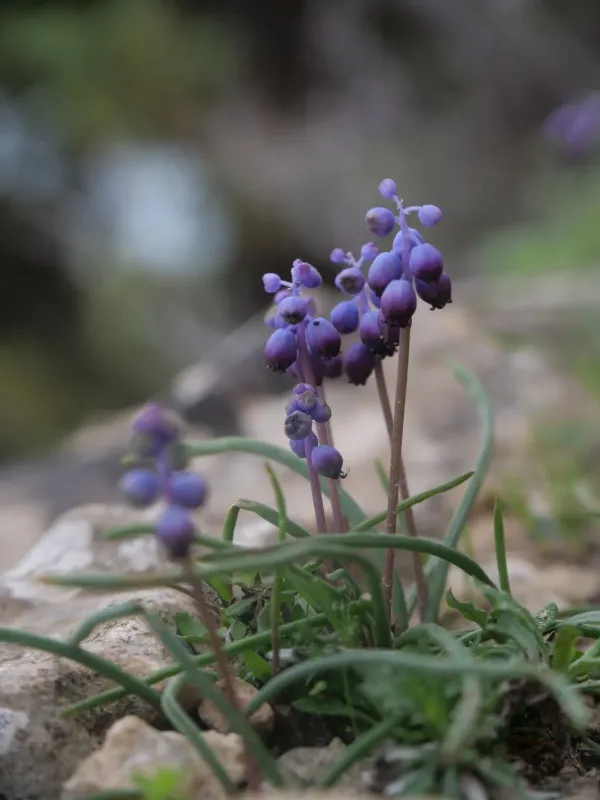
Description
Sowing dates
Muscari inconstrictum belongs to the Asparagaceae family and functions as a bulbous geophyte. The bulbs should be planted in the late summer or early autumn, typically when soil temperatures reach the 10–12°C range to encourage root development before the onset of winter.
Proper planting depth is essential for the long-term health of the plant, usually set at two to three times the diameter of the bulb. This depth, typically 5–8 centimeters, provides protection against surface temperature fluctuations and ensures stability for the emerging shoot.
Space the bulbs approximately 10–15 centimeters apart to allow for natural bulb division over time. Crowding should be avoided to promote adequate airflow and light penetration, which are vital for reducing moisture-related disease pressure.
When propagating via offsets, the separation process should occur during the summer dormancy phase. Carefully lift the bulb clusters, gently detach the offsets, and replant them promptly to prevent desiccation of the basal plate.
Incorporating a light layer of sand at the base of the planting hole can improve drainage, especially in areas with slightly heavier soil compositions. This simple agronomic practice effectively prevents basal rot during the rainy spring season.
Growing requirements
This species thrives in well-draining soils with a neutral to slightly alkaline pH. Waterlogged conditions are detrimental, as they quickly induce decay in the bulb tissues, making site selection based on drainage capacity a top priority.
Muscari inconstrictum prefers sunny or partially shaded locations. Sufficient light is crucial during the early spring phase, as the plant must accumulate energy reserves through photosynthesis before the foliage enters senescence in late spring.
Irrigation management is vital: moisture is necessary during the active growth period, but the soil must remain relatively dry during the summer rest phase. Excessive moisture during dormancy mimics a cycle that triggers fungal infections.
Soil fertility can be managed with moderate organic amendments, such as well-rotted compost. High-nitrogen fertilizers should be used sparingly, as they can stimulate excess leaf growth at the expense of bloom quality and winter hardiness.
Temperature resilience varies, but the species generally prefers a temperate Mediterranean-like climate. In colder zones, mulching with dry leaves or pine needles can protect the bulbs from the stress of deep, sustained ground freezing.
Main diseases and pests
Gray mold and other fungal pathogens are the primary threats to Muscari inconstrictum, particularly in humid environments with poor air circulation. These infections typically manifest as dark spots on leaves or soft, mushy bulb tissue.
Viral mosaic diseases present significant challenges, as they distort growth and weaken the plant over several seasons. Since these viruses are often transmitted by aphid populations, early pest control is a critical element of integrated disease management.
Root mites are a specific pest that targets the bulb interior, weakening the root system and allowing secondary pathogens to enter. Early detection, often signaled by stunted or yellowing foliage, is essential for mitigating the spread within a bed.
Agronomic control through sanitation is highly effective: remove and destroy all infected foliage and bulbs immediately. Ensure that tools are disinfected after contacting suspected infected plants to prevent mechanical transmission of pathogens.
- Maintain appropriate spacing to promote air circulation.
- Apply fungicidal treatments only as a preventive measure in high-risk zones.
- Avoid overhead irrigation during the later stages of foliage development.