
Muscari hybrids
Muscari hybrids
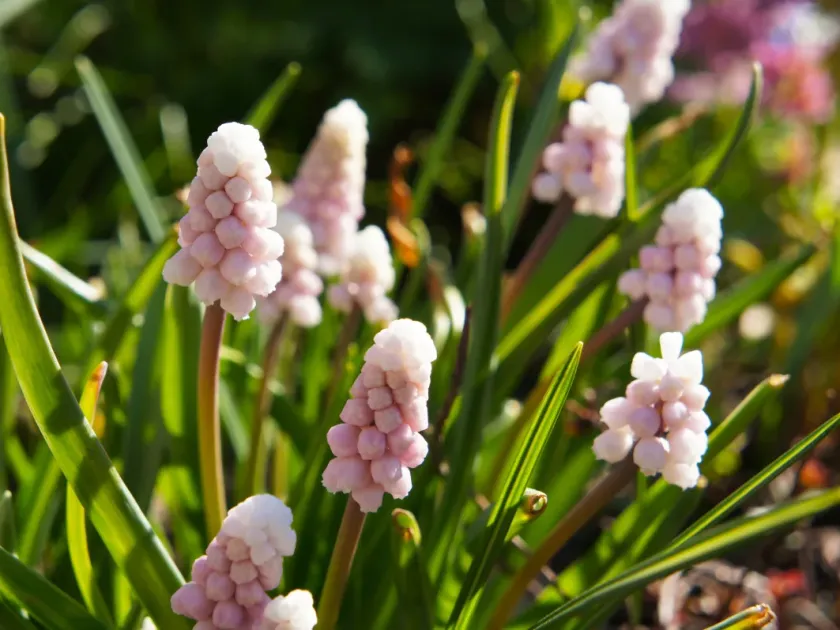
Description
Sowing dates
Planting Muscari hybrids is best performed during the autumn months, ideally several weeks before the ground freezes. This timing allows the root system to establish effectively before the dormancy period.
The ideal window for planting is late August through September. Early establishment of roots ensures the plants are ready for vigorous growth when spring temperatures begin to rise.
For best results, bury bulbs at a depth of 5 to 10 cm, depending on their size. It is a common practice to plant in groups of 10–20 bulbs to create a visually striking display in the landscape.
Space the bulbs approximately 5–8 cm apart to provide enough room for the eventual multiplication of offsets over the following seasons.
Muscari hybrids, belonging to the Asparagaceae family, are perennial bulbous plants that thrive when planted in well-drained, fertile soil, serving as an excellent choice for rock gardens and borders.
Growing requirements
These plants perform best in sunny or partially shaded locations. Sufficient light is essential for the intensity of the blue or violet hues typical of most hybrid varieties.
Soil requirements focus on excellent drainage to prevent bulb rot. While they are tolerant of various soil types, they prefer a pH-neutral, nutrient-rich environment.
Water management is critical; provide moisture throughout the spring growing season, but ensure the soil dries out during the summer dormancy to protect the bulbs from rotting.
Apply a balanced, slow-release fertilizer in early spring as soon as green shoots emerge to encourage robust foliage and prolific flowering.
Maintenance involves dividing the clusters every 4–5 years. Overcrowding leads to decreased flower size, so thinning the clumps keeps the display healthy and attractive.
Main diseases and pests
Viral infections, specifically mosaic virus, represent the most significant threat. Symptoms include streaked leaves and stunted growth; such bulbs must be removed and destroyed to prevent spread.
Fungal diseases like Penicillium rot occur predominantly in wet, heavy soils with poor aeration. Ensuring a sandy, free-draining substrate during planting significantly reduces this risk.
Aphids and spider mites are common pests that feed on the foliage. Early detection and the application of horticultural soaps or systemic insecticides can manage these populations effectively.
Rodents may target bulbs during the winter. Using wire mesh baskets or protective planting techniques can safeguard the bulbs from being consumed by pests.
To minimize disease pressure, always source high-quality, certified disease-free bulbs and avoid mechanical damage during the planting process to prevent entry points for pathogens.