
Muscari forniculatum
Muscari forniculatum
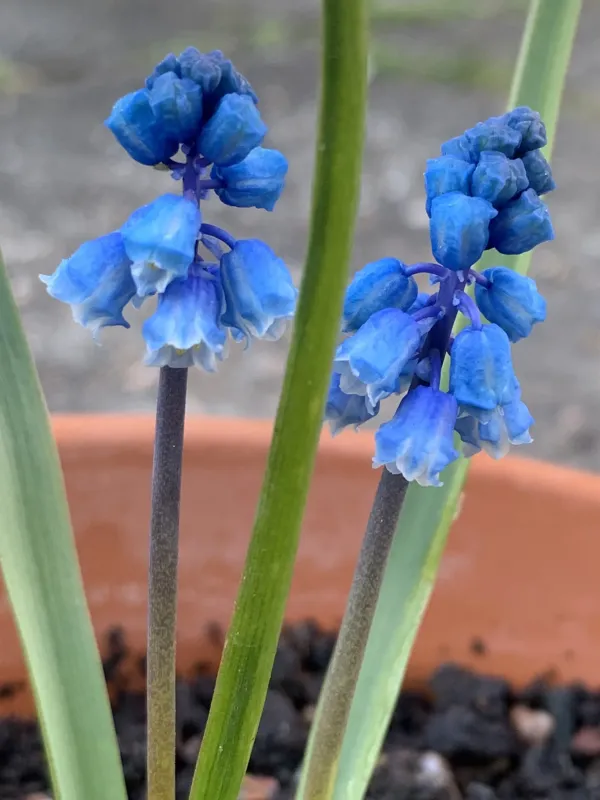
Description
Sowing dates
Muscari forniculatum is a distinct species belonging to the Asparagaceae family, primarily cultivated for its ornamental value in gardens and landscapes. Planting is typically carried out during late summer or early autumn to allow for proper root establishment before the ground freezes.
When selecting bulbs, it is essential to choose firm, healthy specimens free from any signs of rot or physical damage. The planting depth should be approximately 5 to 8 centimeters, which provides sufficient insulation for the bulb while allowing for vigorous spring growth.
Space the bulbs about 10 centimeters apart to ensure adequate airflow and nutrient distribution. Planting too densely can lead to increased humidity around the foliage, creating a favorable environment for fungal diseases and compromising the health of the crop.
The soil should be prepared by loosening it to a depth of 20 centimeters to facilitate root penetration. If the native soil is heavy clay, incorporating a generous amount of sharp sand or organic matter is recommended to improve the drainage and aeration characteristics.
After planting, lightly water the area to settle the soil around the bulbs. In colder climates, a thin layer of mulch, such as dry leaves or straw, can be applied to protect the emerging shoots from sudden temperature fluctuations during the transition to winter.
Growing requirements
This species thrives in locations that offer full sun to partial shade. Exposure to adequate sunlight is critical for the plant to accumulate sufficient energy for the next year's growth and to ensure uniform flower development throughout the season.
Well-draining, moderately fertile soil is the most important requirement for Muscari forniculatum. It is particularly sensitive to stagnant water, which can quickly cause the bulb scales to decay; therefore, sites with naturally high drainage properties are preferred.
The soil pH should ideally be neutral or slightly acidic. If the soil is naturally alkaline or too acidic, amendments such as limestone or elemental sulfur can be used to achieve the desired balance, ensuring better nutrient uptake for the plant.
During the active growing phase, regular but moderate irrigation is beneficial. However, once the plant enters its dormancy period in the summer, the soil should be kept relatively dry to prevent rot and allow the bulbs to ripen properly.
Minimal fertilization is required, but a balanced, low-nitrogen granular fertilizer can be applied in early spring as the first leaves appear. Avoid high-nitrogen fertilizers as they promote excessive leaf growth at the expense of bulb quality and flowering.
Main diseases and pests
The primary health concerns for this crop are related to fungal pathogens, particularly those causing bulb and root rot. High soil moisture combined with poor drainage is the most significant risk factor for the development of gray mold and other fungal issues.
Insects, such as aphids and various species of bulb mites, can also cause damage by feeding on the sap or the internal tissues of the bulb. Infestations may result in stunted growth, yellowing foliage, and a reduced capacity for the plant to flower.
Integrated pest management involves regular monitoring and the use of healthy, disease-free planting material. Proper sanitation, which includes the prompt removal of decaying plant matter, is essential for minimizing the spread of pathogens within the garden area.
Preventative treatments with fungicides may be used if environmental conditions favor disease pressure, such as exceptionally wet springs. Always follow local agricultural guidelines for the safe application of these products to avoid harming beneficial soil organisms.
- Use only clean, certified bulbs for planting.
- Maintain excellent drainage in all planting beds.
- Remove and destroy any plants showing signs of severe viral infection.