
Muscari cycladicum
Muscari cycladicum
Description
Growing requirements
Muscari cycladicum is a bulbous perennial belonging to the Asparagaceae family. Native to the Cyclades islands in the Aegean Sea, this species is well-adapted to rocky, arid habitats and thrives in regions with a Mediterranean-type climate characterized by wet winters and dry, warm summers.
The plant requires well-drained, porous soil to prevent bulb rot. In garden environments, it is essential to incorporate grit or coarse sand into the planting hole to ensure that excess water drains away quickly, mimicking its natural rocky growing conditions.
Placement should be in full sun or light dappled shade. Muscari cycladicum is highly resilient, but it performs best when given consistent conditions that allow for a dormancy period, where the soil remains relatively dry during the hottest months of the year.
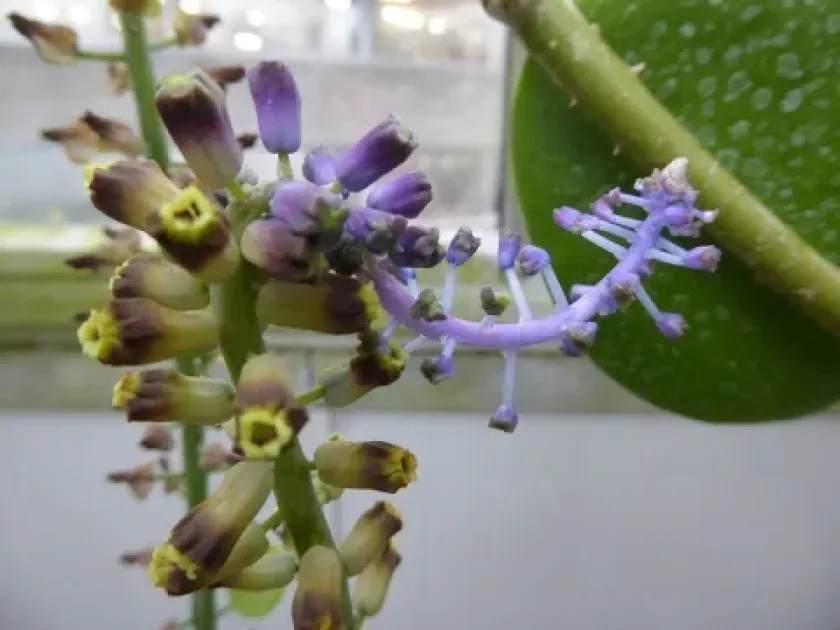
Botanically, it features narrow, linear leaves forming a low rosette and a characteristic raceme of tightly packed, urn-shaped flowers. The blossoms are typically a deep blue or violet with a distinct white rim, providing a high ornamental value for spring gardens.
The primary use for this species is in landscape architecture, particularly for rock gardens, borders, and naturalizing in grassy areas. Its early flowering period makes it a valuable crop for early-season interest in temperate climate zones.
Main diseases and pests
The primary threat to the health of Muscari cycladicum is fungal infection, particularly Botrytis and Fusarium rot, which are often triggered by improper soil drainage or excessive humidity during the cooler months. These diseases cause the bulbs to soften and decay.
Viruses, such as the onion yellow dwarf virus, can cause stunted growth and streaking on the leaves. These are typically transmitted by insect vectors like aphids, making pest control a vital part of maintaining the health of the bulbous collection.
Pests such as bulb mites and aphids pose significant risks to the plant's vitality. Mites attack the basal plate of the bulb, creating entry points for secondary pathogens, while aphids sap nutrients from the developing flower spikes.
Preventative measures include sourcing healthy, certified bulbs and ensuring that the planting site has been cleared of debris from previous susceptible crops. Treatment with systemic fungicides and insecticides should be applied only when necessary.
Cultural practices like regular division of the bulbs ensure proper airflow and light penetration, reducing the risk of pest colonization and disease development. Proper garden hygiene, including removing wilted foliage, keeps the planting area healthy and vibrant.