
Muscari baeticum
Muscari baeticum
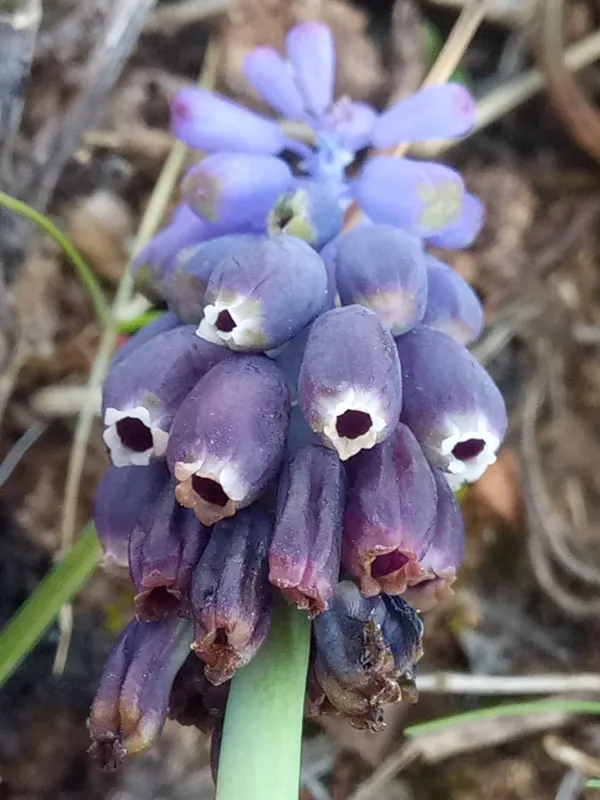
Description
Sowing dates
Planting Muscari baeticum bulbs is best done in the autumn, ideally when soil temperatures drop to 10–12 degrees Celsius. This timing ensures that bulbs establish a healthy root system before the onset of the first deep winter frosts, typically in September or October.
The planting depth should be approximately 5 to 8 centimeters, depending on the bulb size. When planting in groups, maintain a spacing of 7–10 centimeters between bulbs to ensure adequate airflow and room for the plants to grow without competition.
In regions experiencing harsh winters, applying a layer of mulch such as peat or dry leaves is highly recommended. This protective layer insulates the soil and prevents deep freezing, which is particularly beneficial if there is little to no snow cover.
Propagation is primarily achieved through the division of offset bulbs, which can be detached from the main parent bulb during dormancy. This vegetative method is the most reliable way to maintain the specific traits of the species and quickly expand your display.
Seed propagation is possible but is a significantly longer process that requires patience. Seeds should be sown shortly after harvesting in a controlled environment, often requiring a period of cold stratification to break dormancy and ensure successful germination.
Growing requirements
Muscari baeticum belongs to the Asparagaceae family and is recognized as a spring-blooming ephemeral. Native to the rocky terrains of Spain, this species is naturally adapted to well-drained, nutrient-rich soils and open, sunny environments.
The plant thrives in full sun but demonstrates good adaptability to light shade. While full sun encourages more vigorous blooming, light shade can prevent the foliage from scorching during unseasonably warm spring weather.
Soil drainage is a critical requirement for this species. It prefers fertile, slightly alkaline to neutral soil that does not hold excess moisture, as waterlogged conditions during the summer dormancy period lead directly to bulb rot.
During the active growing season in early spring, provide consistent moisture to support development. However, once the leaves begin to yellow and wither, it is essential to reduce watering significantly, allowing the bulbs to enter a dry dormant phase.
Applying a balanced mineral fertilizer at the beginning of the growth cycle is beneficial. Avoid heavy nitrogen applications late in the season, as this can encourage excessive leafy growth at the expense of bulb health and winter hardiness.
Main diseases and pests
Fungal diseases represent the most significant threat to Muscari baeticum, particularly gray mold and Penicillium rot. These often occur if the soil is too wet for prolonged periods or if the bulbs are stored in high-humidity conditions without proper ventilation.
Viral infections, such as yellow mosaic virus, can affect the plant's development and are usually spread by sap-sucking insects. Infected plants often show stunted growth and deformed flowers; these should be removed and destroyed immediately to prevent spread.
Root-damaging pests, including bulb mites and nematodes, pose a consistent risk. They feed on the basal plate of the bulb, creating entry points for bacteria and fungi that can lead to the systemic decline of the plant population.
Aphids can infest the developing flower spikes, causing wilting and stunted growth. While usually manageable with insecticidal soap or mild systemic treatments, monitoring in early spring is necessary to prevent severe infestations.
Small mammals like field mice and voles are known to forage on dormant bulbs during the winter months. Using wire mesh baskets or protective barriers during planting is a common and highly effective strategy to deter these rodents.