
Musanga cecropioides
Musanga cecropioides
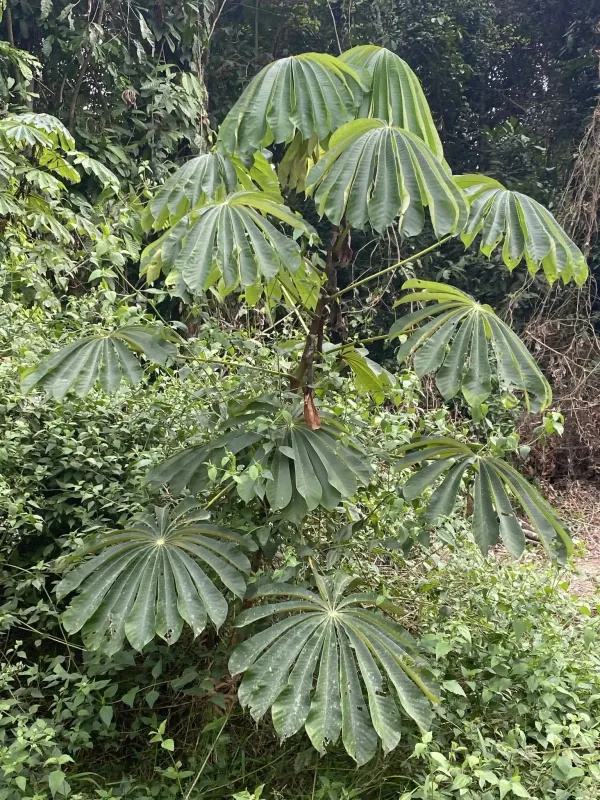
Description
Sowing dates
Musanga cecropioides, commonly known as the African umbrella tree, is a primary colonizer of disturbed tropical areas. Propagation is primarily achieved through seeds, which require specific conditions of moisture and temperature to germinate successfully.
In nursery settings, seeds must be sown immediately after collection, as they lose viability relatively quickly. They are planted in well-drained, nutrient-rich soil and kept in a warm environment, ideally between 25 and 30 degrees Celsius, to ensure a high germination rate.
Seedlings develop very rapidly, often reaching a plantable size within just a few months. Once they reach a height of approximately 40 centimeters, they are ready to be transplanted into their permanent field locations.
The optimal planting time is at the beginning of the rainy season, which provides the necessary water supply for the young trees to establish their root systems. Proper spacing is essential; trees should be planted 3 to 5 meters apart to allow for maximum growth and crown development.
The species is highly photophilic, meaning it requires full exposure to sunlight throughout its development. Planting in shaded areas or beneath the canopy of larger, established trees will significantly hinder growth and increase the risk of plant mortality.
Growing requirements
Belonging to the Urticaceae family, this species is native to the tropical forests of West and Central Africa. It thrives in high-rainfall regions, where it functions as a pioneer species that prepares the ground for forest regeneration.
The ideal soil for Musanga cecropioides is light, sandy, or alluvial, providing excellent drainage. While it can survive on moderately depleted soils, the presence of standing water for extended periods is detrimental to its long-term health and stability.
Climatic requirements strictly include a tropical environment with high humidity and consistent temperatures. The tree does not possess cold tolerance and will suffer severe damage or death if subjected to temperatures dropping below 20 degrees Celsius.
Biological resilience is a hallmark of this species, as it is naturally adapted to recover from forest clearings and human-made disturbances. Its broad, umbrella-like leaves provide significant ground cover, protecting soil from erosion and preserving moisture during the dry months.
Management of the species is relatively straightforward due to its rapid growth rate, which allows it to outcompete most invasive weeds. Maintaining soil pH around 5.5 to 6.5 is generally sufficient to support healthy, vigorous growth.
Yield
The economic potential of Musanga cecropioides lies in its remarkable production of biomass in a short period. Within 10 to 15 years, trees can achieve significant dimensions suitable for harvest in timber or fiber-based industries.
The wood is lightweight and soft, making it highly suitable for the production of paper pulp, plywood, and lightweight shipping crates. Furthermore, it serves as a sustainable source of firewood and charcoal in local agricultural communities.
Leaves and bark extractives are utilized in local traditional medicine, showcasing the tree's versatility. Some agroforestry systems also utilize the nutrient-rich fallen leaves to enhance soil organic matter content, serving as a natural fertilizer for other crops.
Productivity is maximized through strategic thinning, which prevents overcrowding and allows the dominant trees to gain girth faster. Regular silvicultural management ensures that the harvest meets the desired quality standards for industrial timber.
Yield can also be extended through coppicing, where the tree is cut at the base and allowed to regenerate from the existing root system. This method is highly effective for sustainable biomass production, reducing the need for replanting after every harvest cycle.
Main diseases and pests
While robust, Musanga cecropioides is susceptible to fungal infections if the planting site lacks proper ventilation or has poor drainage. Ensuring adequate space between trees is the most effective preventative measure against such outbreaks.
Insect pests, particularly wood-boring beetles, can cause significant damage to the trunk and branches if left unmonitored. Integrated pest management practices, including periodic inspection, are recommended for large-scale plantations.
Young seedlings are frequently threatened by small rodents and local wildlife, which may damage the tender stems. Utilizing protective sleeves or fencing during the first year of growth provides the necessary security for the tree to reach a resistant stage.
Environmental stress, such as excessive wind, can cause the brittle branches of the umbrella tree to snap, potentially creating entry points for opportunistic pathogens. Managing windbreaks in exposed areas can help reduce this risk.
- Fungal root rot caused by waterlogged soil.
- Wood-boring insect infestations in mature trees.
- Rodent damage to young saplings.
- Wind breakage of branches due to soft wood texture.
- Suppression by aggressive climbing vines.