
Curry leaf tree
Murraya koenigii (L.) Spreng.
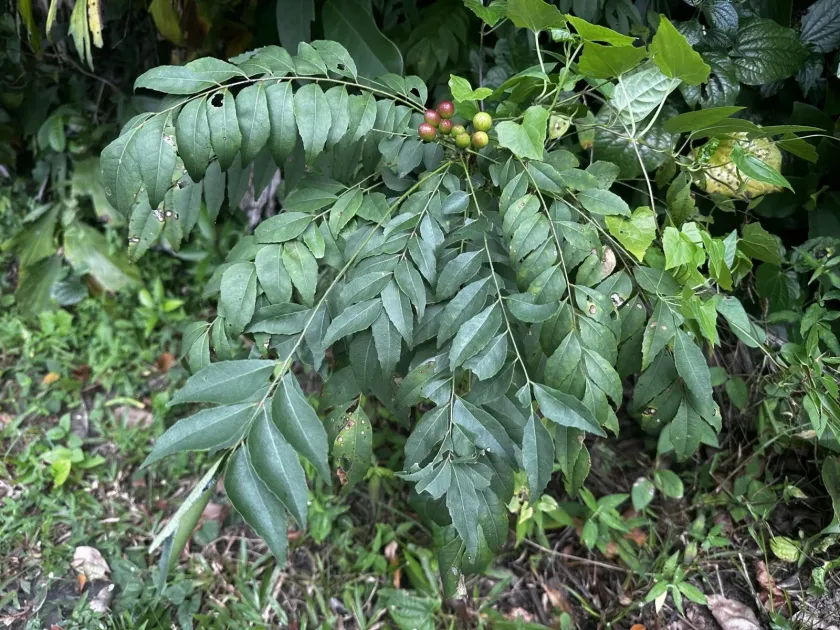
Description
Growing requirements
Murraya koenigii, commonly known as the curry leaf tree, is a tropical to sub-tropical tree belonging to the Rutaceae family. It is highly valued for its fragrant leaves, which are an essential culinary staple across South Asia.
The plant thrives in warm, humid climates and is sensitive to temperatures below 5 °C. For optimal growth, it requires a well-lit environment with protection from harsh midday sunlight, which can cause leaf scorch in younger specimens.
Soil requirements involve a deep, well-draining, and nutrient-rich medium with a slightly acidic to neutral pH level. Over-watering must be strictly avoided, as the root system is prone to hypoxia and fungal rot if soil moisture remains too high for extended periods.
Agronomic management relies on consistent fertilization during the spring and summer seasons. Utilizing balanced NPK fertilizers helps maintain the deep green color and aromatic intensity of the foliage, which is the primary economic objective of this crop.
Pruning is a fundamental part of the maintenance cycle for this species. By regularly tipping the branches, growers encourage bushier growth and prevent the tree from becoming overly leggy, which facilitates easier harvesting of the leaves.
Main diseases and pests
The curry leaf tree is susceptible to several pests, including scale insects, mites, and psyllids. These pests often congregate on the underside of leaves or at the tips of new growth, requiring consistent monitoring and integrated pest management.
Fungal issues, such as leaf spot or root rot, typically arise from poor cultural practices, such as excessive moisture or low light exposure. Ensuring good airflow and maintaining a clean growing area are effective preventative measures against common pathogens.
Harvesting
Harvesting of the foliage is conducted by hand-picking mature, healthy leaves. Since the leaves are aromatic, they are usually gathered early in the day when the concentration of essential oils is at its peak to ensure high-quality produce.
Post-harvest care involves quick drying or immediate cold storage. Proper handling ensures that the characteristic flavor profile is preserved during transport or packaging for culinary use in various spice blends.