
Garcinia xanthochymus
Garcinia xanthochymus Hook. f.
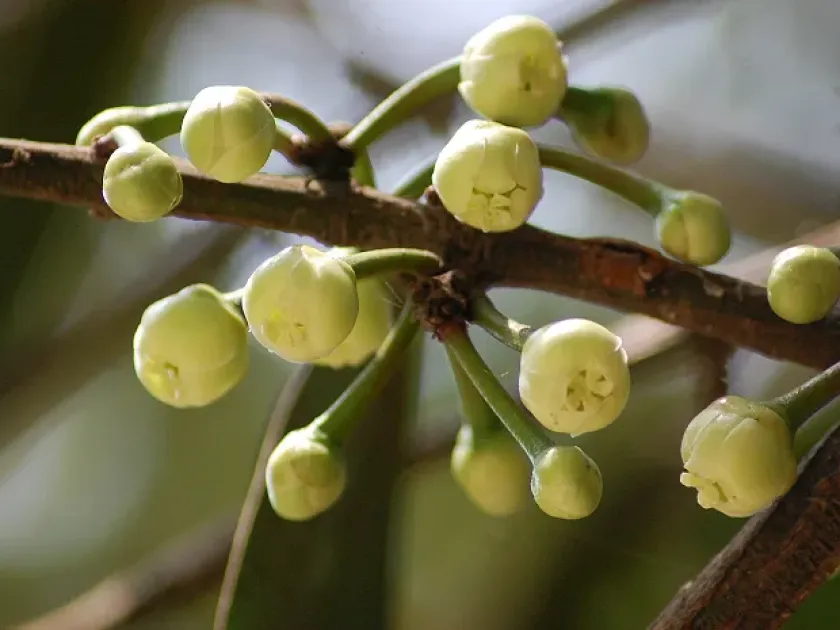
Description
Growing requirements
Garcinia xanthochymus belongs to the Clusiaceae family and is commonly known as the Gamboge tree. This evergreen species typically grows into a medium-sized tree with a dense, symmetrical canopy, characterized by dark, glossy, and leathery leaves that remain green throughout the year.
Originating from the tropical regions of Southeast Asia, including India and the Malay Peninsula, the tree thrives in humid, lowland rainforest conditions. It is specifically adapted to environments where temperatures remain warm and consistent, with no risk of frost or cold spells.
The optimal soil for this crop is deep, fertile, and rich in organic matter. A well-drained site is mandatory for the successful establishment of an orchard, as waterlogging is the primary cause of root-related failures and subsequent tree decline in commercial settings.
Cultivation requirements include a significant amount of annual rainfall and high humidity levels. In areas with seasonal droughts, supplementary irrigation is essential to maintain fruit quality and vegetative health. The tree exhibits slow growth rates, necessitating patience and consistent care.
Agrotechnical practices involve mulching to preserve soil moisture and routine application of balanced fertilizers. Proper spacing between trees is crucial to ensure adequate airflow and sunlight penetration, which helps in preventing canopy humidity buildup.
Yield
The fruits are round to ovate berries with a prominent pointed apex, turning a bright yellow color upon maturity. Inside, they contain large seeds surrounded by juicy, translucent pulp that possesses a distinctively sharp, acidic flavor profile.
The fruit is widely processed into jams, jellies, and beverages in the regions where it grows. It is valued for its high pectin content and acidic properties, which are beneficial for creating stable preserves and flavoring various culinary dishes.
Main diseases and pests
Disease pressure in Garcinia orchards is often linked to high humidity. Anthracnose and various root rot fungi are common pathogens that require a strict sanitation program, including the removal of dead or infected branches to curb the spread of spores.
Pest management focuses on controlling sap-sucking insects like mealybugs and scale insects. These pests can cause significant damage to young foliage and fruit development, often requiring an integrated pest management (IPM) approach to maintain tree productivity.