
Garcinia humilis
Garcinia humilis (Vahl) C. D. Adams
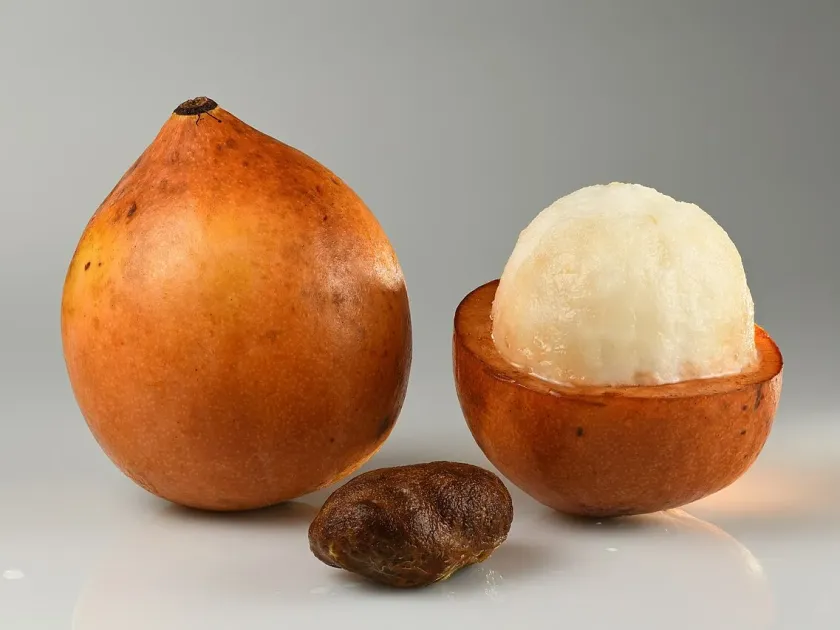
Description
Growing requirements
Garcinia humilis, commonly known as achacha, is a fruit-bearing species belonging to the Clusiaceae family. It typically grows as a small, evergreen tree or shrub reaching a height between 3 to 10 meters, depending on local conditions.
The plant originates from the tropical rainforests of South America, particularly the Amazon basin. It thrives in high-temperature environments with significant annual rainfall, requiring a tropical or subtropical climate to reach its full productive potential.
Soil requirements for Garcinia humilis include well-drained, nutrient-rich soils with slightly acidic to neutral pH. Proper drainage is critical, as the roots are highly susceptible to rot if exposed to waterlogged conditions for extended periods.
Regarding light, the plant prefers a sunny location but benefits from shade during the juvenile stages to prevent leaf scorching. Consistent ambient temperatures are necessary, as the species is intolerant to frost and cold winds that can damage the delicate canopy.
Agricultural management requires consistent irrigation during the dry season and a balanced fertilization schedule to support fruit production. Periodic pruning is recommended to maintain a manageable tree height and to encourage better airflow within the foliage.
Yield
The fruits of Garcinia humilis are small, ovoid, and turn bright orange or yellow when ripe. They contain a white, sweet-and-sour pulp that is highly valued for fresh consumption, as well as for the production of juices, jams, and artisanal beverages.
Commercial yields are achieved through intensive orchard management and selection of productive varieties. While it takes several years to reach the first harvest, well-maintained trees provide reliable and consistent yields throughout the productive season.
Main diseases and pests
The main threats to this crop include fungal infections, such as root rot or leaf spots, which thrive in high-humidity environments. Implementing strict hygiene practices, such as removing infected debris, is essential for maintaining a healthy plantation.
Insect pests, specifically scale insects and mealybugs, can infest the trees and stunt growth. Integrated pest management (IPM) strategies, including the use of horticultural oils and biological control agents, are effective in maintaining pest populations below damaging levels.
Harvesting
Harvesting is performed by hand to ensure the delicate fruits are not damaged. Since ripening can be staggered, multiple picking passes are often required to collect the fruit at the peak of maturity for optimal flavor and shelf life.