
Japanese muhly
Muhlenbergia japonica
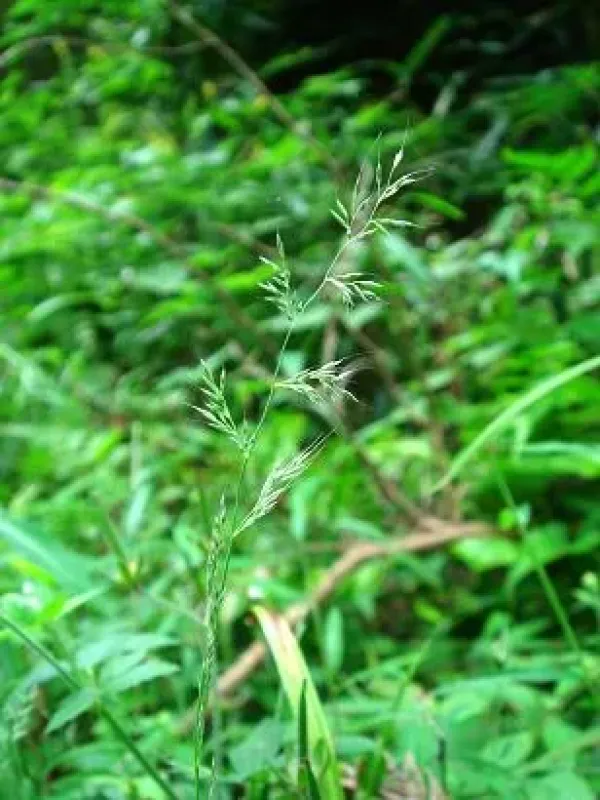
Description
Growing requirements
Japanese muhly (Muhlenbergia japonica) is a perennial herbaceous plant belonging to the Poaceae family. Native to East Asia, it typically inhabits forest understories, moist meadows, and shaded riparian zones, reflecting its adaptation to specific ecological niches.
Botanically, this species is characterized by its slender, arching stems and delicate, narrow foliage. Unlike some sun-loving grasses, this plant thrives in shaded environments, forming attractive clumps that provide soft texture to various landscape compositions.
The cultivation of this grass requires fertile, loamy soil with high organic matter content and consistent moisture levels. While it is adaptable, it performs best in soils with a slightly acidic to neutral pH and excellent drainage properties to prevent waterlogging.
In terms of climate, Japanese muhly prefers cool to temperate conditions. It is essential to protect the plants from harsh, direct midday sun, which can scorch the leaves and stunt overall growth. Providing a sheltered spot is key to longevity.
Gardeners primarily utilize this plant for its aesthetic value in woodland gardens, shaded rockeries, and as a fine-textured ground cover. Its ability to tolerate low-light conditions makes it a valuable asset for challenging areas of the landscape.
Main diseases and pests
Common threats to the health of Japanese muhly include fungal pathogens such as rust and leaf spot, which are often encouraged by poor air circulation and excessive humidity around the foliage.
Pests such as aphids and spider mites can occasionally affect the plant, particularly during prolonged dry spells. Keeping the plant properly hydrated helps mitigate the risk of infestation by strengthening its natural resistance.
Root rot is a critical concern, especially in heavy soils with poor drainage. Implementing a proper planting depth and ensuring soil structure is loose can significantly reduce the risk of physiological decline.
Cultural control practices, including removing dead leaves in late winter and thinning overcrowded plantings, are essential to maintain the health of the clump and prevent the buildup of pathogens.
If symptoms of infection appear, systemic fungicides or horticultural soaps can be applied as a management strategy. However, maintaining optimal site conditions remains the most effective form of preventative care for this species.