
Mountain Flax
Phormium cookianum Le Jol.
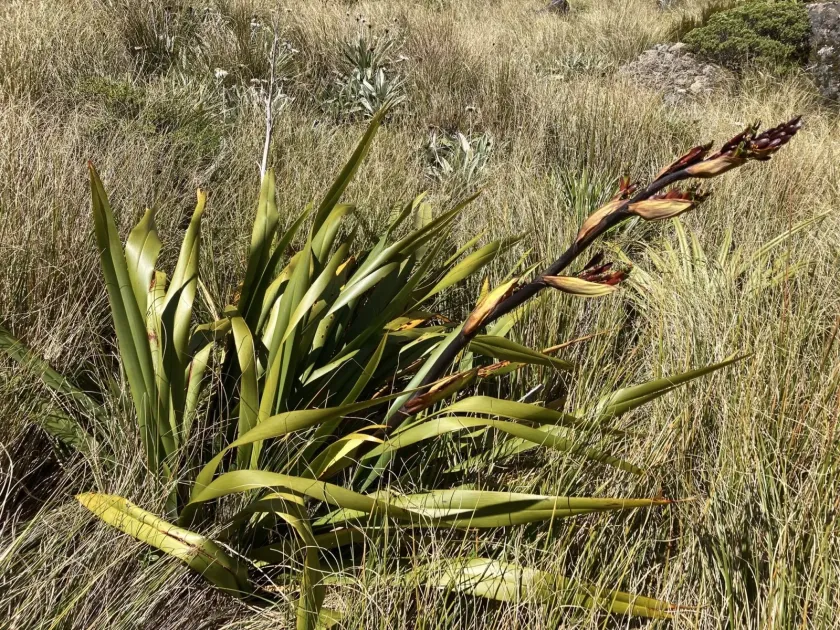
Description
Growing requirements
Mountain Flax (Phormium cookianum) is a perennial plant species belonging to the Asphodelaceae family. Native to New Zealand, it is recognized for its tough, sword-like foliage.
The plant thrives in well-drained, nutrient-rich soils with a neutral or slightly acidic pH. While it is hardy in many environments, it requires protection from excessive soil moisture to prevent root rot.
Regarding climate, it prefers temperate regions with abundant light. It can tolerate coastal conditions well, making it a versatile choice for exposed landscapes in appropriate climate zones.
Agricultural management involves routine watering during the establishment phase and annual fertilization. Pruning old or dead leaves is essential to encourage new growth and maintain plant vitality.
In terms of utilization, it is extensively used in fiber production for textiles and cordage, as well as being a popular choice for landscape design due to its structural aesthetic.
Main diseases and pests
Root rot is the most significant threat to Phormium cookianum, typically occurring in poorly drained or waterlogged soils. Ensuring excellent drainage is the primary defense mechanism.
Pests such as mealybugs and aphids can infest the base of the leaves, potentially damaging the plant's health. Early detection and treatment with insecticidal soap or oil are effective solutions.
Fungal leaf spot diseases may occur in high-humidity environments. Maintaining good air circulation between plants is a critical cultural practice to mitigate the risk of infection.
Scale insects can also attach to the foliage, weakening the plant over time. Regular inspections during the spring and summer months are advised for early intervention.
Strict sanitation measures, such as removing infested plant material and keeping the area free of weeds, help maintain a robust and disease-free crop production environment.