
Monochaetum myrtoideum
Monochaetum myrtoideum
Description
Growing requirements
Monochaetum myrtoideum is a perennial shrub belonging to the Melastomataceae family. Native to the mountainous regions of Central and South America, it is highly regarded for its aesthetic value and specific environmental preferences.
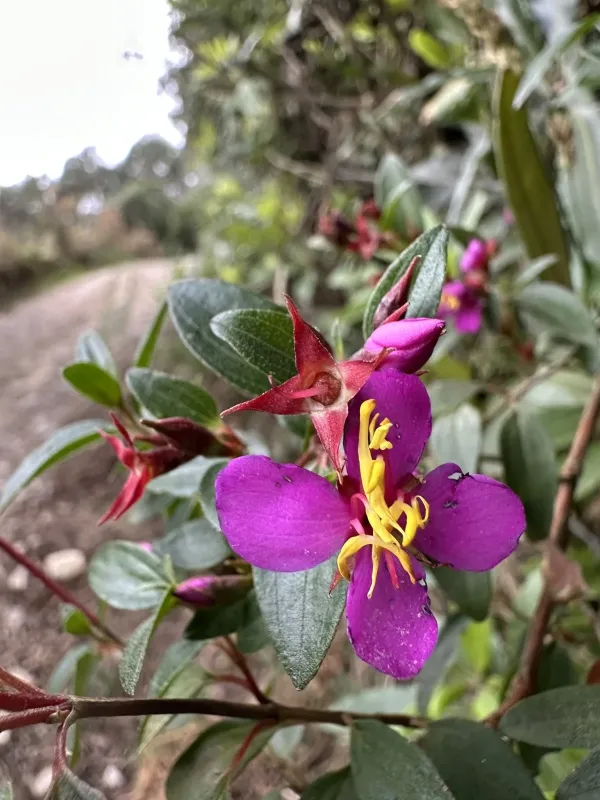
The plant features distinctively veined leaves and delicate four-petaled flowers, which make it a popular subject for botanical collections. Its growth habit is naturally compact, requiring specific attention to training if a bushier form is desired.
Requirements for successful cultivation include a high-humidity environment and stable cool to moderate temperatures. It does not thrive in extreme heat, making it an ideal candidate for specialized greenhouse conditions or protected conservatory environments.
The soil must be acidic, well-draining, and rich in organic matter. A mixture of peat, perlite, and pine bark is recommended to mimic the forest floor conditions found in its natural mountainous habitat, ensuring roots remain healthy and aerated.
Regular watering with soft, lime-free water is essential. The plant should never be left sitting in water, as this leads to rapid root decay, which is the most frequent cause of failure in domestic and professional cultivation alike.
Main diseases and pests
The primary threats to Monochaetum myrtoideum are fungal infections and root pathogens triggered by excessive moisture and poor ventilation. Keeping the growing area clean and well-aerated is the best strategy for prevention.
Spider mites represent a significant pest threat, especially when humidity levels drop below optimal parameters. Early detection is vital, and periodic misting or washing of the foliage can significantly reduce the risk of infestation.
Mealybugs are another common pest that tends to settle in the leaf axils. If found, they must be treated immediately using appropriate systemic insecticides or targeted biological controls to prevent long-term damage to the plant growth.
Nutritional imbalances, such as iron deficiency, can manifest as chlorosis on the younger leaves. Using a balanced fertilizer formulated for acid-loving plants, ensuring it is low in calcium, will help maintain vibrant foliage color.
Overall, maintaining the plant's health requires a proactive approach, emphasizing preventive care over chemical intervention. Regular pruning and maintenance of environmental parameters contribute to a resilient and long-living specimen.